A good palette can make a small studio feel more organized. The right size, well layout, and material help you mix colors efficiently without taking over your workspace.
These 10 artist palettes for small studios include ceramic, porcelain, wood, and folding designs suited to watercolor, acrylic, oil, and gouache workflows.
Best 10 Artist Palettes for Small Studios Picks for 2026
Best Stable Ceramic Mixer
MEEDEN 18-Well Ceramic Palette

- Heavy ceramic body stays stable
- 18 wells plus a large mixing area
- Smooth surface wipes clean easily
Best For: Small studios needing a durable, organized mixing tray
Best Two-Palette Value
Tamaki Clear Acrylic Palette Set

- Includes rectangular and oval palettes
- Lightweight, smooth acrylic surface
- Portable and reusable design
Best For: Flexible studio, class, and travel mixing
Best Paint-Saving Option
Mr. Pen Airtight Watercolor Palette

- 18 wells and two mixing areas
- Lid helps keep paints moist
- Folds for studio or travel use
Best For: Watercolor painters needing organized, portable storage
Best Traditional Grip
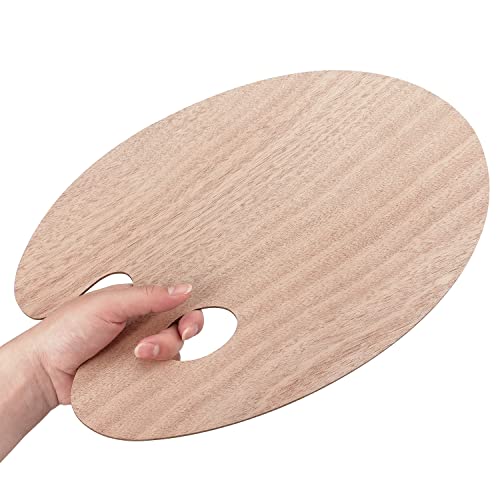
- Classic right- or left-hand grip
- Polished wood with smooth edges
- Portable open mixing surface
Best For: Artists who prefer a handheld traditional palette
Best Portable Pick

- 19 porcelain wells plus a mixing dish
- Airtight metal tin for transport
- Lightweight 7.04-ounce design
Best For: Travel-minded artists and compact studios
Best Large Mixing Surface

- 10-by-6.3-inch porcelain surface
- Central mixing area and pigment sections
- Suitable for watercolor, gouache, acrylic, and oil
Best For: Small studios needing generous mixing space
Portable Cover Palette

- Protective lid helps reduce spills, dust, and drying
- Lightweight, foldable design for travel or small studios
- Smooth surface suits gouache, acrylic, and watercolor
Best For: Portable, covered paint mixing
Compact Ceramic Mixer
MEEDEN 8-Well Watercolor Palette

- Eight wells keep colors separated and organized
- Smooth white ceramic surface supports easy mixing
- Compact 7-by-7-inch format suits small work areas
Best For: Organized ceramic mixing in a studio
High-Capacity Well Palette

- Fourteen wells support extensive color organization
- White ceramic surface is suited to mixing and cleanup
- Works with multiple paints and craft projects
Best For: Studio painters needing many separate wells
Best Stable Ceramic Mixer – MEEDEN 18-Well Ceramic Palette
For artist palettes for small studios, the MEEDEN ceramic tray offers a stable, durable setup with 18 deep wells and a generous central mixing area. Its 8-by-5.5-inch footprint works for watercolor, gouache, acrylic, oil, and tempera while remaining suitable for fieldwork.
Best For: Small studios that prioritize stability, deep wells, and easy cleanup.
Pros:
- Heavy ceramic construction helps keep the palette from shifting or tipping.
- Features 18 deep wells plus one large mixing area.
- Smooth white surface spreads paint evenly and wipes clean with a tissue.
Cons:
- Heavier than plastic or acrylic alternatives at about 0.51 kg.
- Not dishwasher safe or oven safe.
This is a strong studio-oriented choice when a sturdy work surface matters more than minimum weight. The ceramic build and organized wells also make it practical for artists who mix several colors at once.
Best Two-Palette Value – Tamaki Clear Acrylic Palette Set
Artists comparing artist palettes for small studios may appreciate this two-piece acrylic set for its flexible shapes and portable design. It includes one rectangular and one oval palette, both with smooth, transparent surfaces for mixing and easy cleanup.
Best For: Studios, classes, or mobile painters who want two reusable palettes in different shapes.
Pros:
- Includes both rectangular and oval palettes.
- Transparent acrylic construction is lightweight, smooth, and reusable.
- Portable size fits in a backpack, purse, or tote.
Cons:
- Requires hand washing and should be kept away from high heat and harsh chemicals.
- The clear surfaces do not provide wells for separating colors.
The set is a practical value option for small studios that share supplies or need a spare palette for classes and travel. Its flat, transparent format favors open mixing rather than well-based color organization.
Best Paint-Saving Option – Mr. Pen Airtight Watercolor Palette
For artist palettes for small studios where paint preservation and compact storage matter, the Mr. Pen palette combines 18 wells with two mixing areas and an airtight lid. The folding plastic design suits studio work, classrooms, travel, and plein air painting.
Best For: Watercolor artists who want organized wells and a lid to help keep paints moist between sessions.
Pros:
- 18 wells and two large mixing areas keep colors organized.
- Airtight lid with a silicone seal helps preserve paint moisture.
- Lightweight, foldable plastic design is easy to carry and clean.
Cons:
- The hinge is not completely watertight, so it should not be carried with water inside.
- Plastic construction may feel less substantial than ceramic.
This palette is especially useful when a small studio doubles as a travel setup. Its sealing lid adds convenience for water-based pigments, provided the palette is transported without standing water inside.
Best Traditional Grip – Tamaki Wooden Artist Palette
The Tamaki wooden tray offers a traditional handheld format for artist palettes for small studios. Its polished surface, thumb-holder design, and 13.7-by-9.3-inch stated size provide a broad area for acrylic and other painting projects, whether in the studio or outdoors.
Best For: Artists who prefer a classic hand-held palette with a comfortable grip.
Pros:
- Traditional shape is designed for right- or left-hand use.
- Wooden construction has a polished surface and smooth edges.
- Portable format suits classes, outdoor painting, and general craft use.
Cons:
- Care instructions call for wiping with a dry cloth rather than washing.
- Wood does not offer individual wells for color separation.
This is a straightforward choice for painters who like to hold their palette while working. It provides an ample open mixing surface, though artists seeking sealed storage or dedicated wells may prefer another format.
Best Portable Pick – Etchr Mini 19-Well Palette
For artists seeking artist palettes for small studios that also travel well, the ETCHR Mini combines 19 porcelain wells with a mixing dish inside an airtight metal tin. Its compact 7.04-ounce design suits watercolor, acrylic, oil, and gouache setups where storage space matters.
Best For: Travel-minded artists and small studios that need a compact, organized palette.
Pros:
- Compact, lightweight design fits in a small bag or purse.
- Includes 19 porcelain pigment wells and a mixing dish.
- Airtight metal tin helps keep the palette contained between sessions.
- Backed by a 2-year warranty and 30-day money-back guarantee.
Cons:
- The small format may feel limiting for large paint loads or extensive mixing.
- Its portability-focused design offers less workspace than a full-size studio palette.
This is a practical choice when compact organization is more important than maximum mixing area. The porcelain wells and protective tin make it especially useful for mobile or space-conscious painting setups.
Best Large Mixing Surface – MEEDEN Ceramic Paint Palette
The MEEDEN ceramic palette is a strong option for artist palettes for small studios that need more room for mixing and color storage. Measuring 10 by 6.3 inches, it provides a substantial central mixing area and multiple pigment sections for watercolor, gouache, acrylic, oil, and other painting tasks.
Best For: Studio artists who want a durable, spacious palette for handling several colors at once.
Pros:
- Large 10-by-6.3-inch porcelain surface supports broader mixing sessions.
- Multiple pigment storage areas help separate colors.
- White glazed porcelain clearly displays mixed colors.
- Non-porous, polished surface is designed for easy cleaning and durability.
Cons:
- At 0.65 kg, it is less portable than compact palette options.
- Hand washing and air drying are required; it should not go in the dishwasher.
Choose this palette when your small studio can accommodate a larger work surface and you regularly mix multiple colors. Its porcelain construction favors long-term, stationary use over lightweight portability.
Best Compact Two-Pack – 14-Well Ceramic Paint Palette Set
This two-pack offers a practical way to equip a small studio with artist palettes for small studios while retaining portability. Each rectangular ceramic palette has 14 wells, a non-porous glazed surface, and a compact 7.48-by-4.13-inch footprint for watercolor and acrylic work.
Best For: Artists who want two compact palettes for watercolor or acrylic painting, studio use, or travel.
Pros:
- Two palettes provide a convenient multi-palette setup.
- Fourteen wells offer organized paint storage.
- Compact, lightweight form is easy to transport.
- Glazed, non-porous ceramic surface is designed for easy cleaning.
Cons:
- Limited to watercolor and acrylic use according to the listed recommendations.
- Hand washing is required.
- The smaller surface provides less room for extensive mixing than a large studio palette.
This set is useful when flexibility and quantity matter more than having one expansive mixing tray. Its two-piece format can support separate color groups or provide a spare palette for classes, travel, or shared studio use.
Portable Cover Palette – HIMI Folding Paint Palette
For artist palettes for small studios that also need to travel, this folding HIMI palette combines a compact footprint with a protective lid. Its smooth mixing surface supports even color blending, while the lightweight plastic construction suits studio, classroom, and plein air use.
Best For: Artists who need a portable, covered palette for gouache, acrylic, watercolor, and other water-based paints.
Pros:
- Folding design and lid help protect paints from dust, spills, and drying.
- Smooth surface is designed for controlled mixing and easy cleaning.
- Lightweight 0.15 kg construction is convenient for art bags and backpacks.
- Works with gouache, acrylic, watercolor, and other water-based paints.
Cons:
- Its 14.2 g capacity may be limiting for larger paint sessions.
- Plastic construction may offer a different feel from ceramic palettes.
This is a practical space-saving choice for small studios that value portability and paint protection. Choose it when a lidded, reusable palette matters more than a large mixing area.
Compact Ceramic Mixer – MEEDEN 8-Well Watercolor Palette
For artist palettes for small studios, the MEEDEN ceramic palette offers a compact 7-by-7-inch workspace with eight wells for separating colors. Its polished white surface is intended to support smooth mixing and straightforward cleanup with water and tissue.
Best For: Watercolor, gouache, acrylic, oil, or tempera painters who want a durable ceramic palette with organized wells.
Pros:
- Eight wells provide dedicated spaces for organizing colors.
- Polished white ceramic surface is designed for smooth mixing and easy cleaning.
- Suitable for watercolor, gouache, acrylic, oil, and tempera paints.
- Compact 7-by-7-inch size fits smaller work areas.
Cons:
- At 630 g, it is substantially heavier than a lightweight plastic travel palette.
- The ceramic material may be less convenient for frequent transport.
This palette is a strong fit when a small studio needs organized wells and a smooth ceramic mixing surface. Its weight makes it better suited to a dedicated workspace than mobile painting.
High-Capacity Well Palette – 14-Well Ceramic Artist Tray
For artist palettes for small studios that need more color organization, this 14-well ceramic tray provides dedicated spaces for a broad range of paints. Its white ceramic surface is intended for mixing and cleanup, making it useful for studio painting, crafts, and projects.
Best For: Painters and crafters who need many separate wells for watercolor, gouache, acrylic, oil, or tempera colors.
Pros:
- Fourteen wells accommodate extensive color organization.
- Premium white ceramic construction is durable and reusable.
- Smooth surface is designed for easier cleaning and color mixing.
- Suitable for painting, craft projects, and group or kids’ activities.
Cons:
- Ceramic construction requires hand washing and careful handling.
- The supplied dimensions list is inconsistent, so confirm the actual size before ordering.
- It lacks the protective lid and folding design of a travel palette.
This tray is the better choice when color separation and well capacity are priorities. It suits a small studio’s organized setup, but its ceramic construction is less travel-oriented and calls for careful care.
How We Picked the Best Artist Palettes for Small Studios
We focused on palettes that balance usable mixing space with a compact footprint. Our comparison considers material, well count, mixing areas, portability, cleaning convenience, lid design, and suitability for common media. Because small studios often serve multiple purposes, we also favored palettes that can be stored easily and adapted to more than one painting setup.
Ceramic and porcelain models are especially useful for watercolor and gouache because their smooth surfaces are easy to re-wet and clean. Plastic and folding options may be lighter and more portable, while wood palettes remain practical for painters who prefer a traditional thumb-hole design.
Quick Comparison
| Palette type | Best for | Main advantage | Potential trade-off |
|---|---|---|---|
| Ceramic or porcelain tray | Watercolor, gouache, studio mixing | Nonporous surface and stable mixing | Heavier and easier to chip |
| Lidded watercolor palette | Organized paint storage | Protects paint and supports portability | Less open mixing area in some designs |
| Folding plastic palette | Travel and flexible setups | Lightweight and easy to store | May stain or retain pigment |
| Wooden thumb-hole palette | Acrylic and oil painting | Traditional hand-held layout | Requires more careful cleaning |
Key Buying Factors for Small Studios
Size and Workspace
Measure your desk, shelf, or drying area before choosing. A larger palette provides more room for color separation, but a compact 7- to 10-inch design is often easier to store and still gives most small-studio painters enough working space.
Wells and Mixing Zones
More wells help keep colors organized, while broad, flat mixing areas are better for blending gradients and diluting paint. If you use several colors at once, prioritize a layout that separates wells clearly and leaves at least one unobstructed mixing section.
Material and Medium
Porcelain and ceramic are excellent for watercolor and gouache, and they clean more thoroughly than many plastics. Acrylic painters may prefer a palette with a large mixing surface, while oil painters should confirm that the finish and cleaning method suit their solvents and mediums.
Cover, Weight, and Maintenance
Airtight or lidded palettes can keep paints usable between sessions and reduce dust in a shared workspace. However, heavier ceramic trays are less convenient to carry. Check whether the palette is dishwasher-safe or requires hand washing, and dry it fully before storage.
Who Should Buy Which Artist Palettes for Small Studios?
Choose a ceramic or porcelain tray if you primarily paint at a dedicated desk and want a durable, easy-to-clean surface. Select a lidded palette if you regularly pause projects, store mixed colors, or need to move supplies between rooms. A folding palette is the practical choice for artists with very limited storage or occasional travel. For acrylic and oil painters who prefer holding the palette while working, a wooden thumb-hole model offers a familiar format.
Among these Artist Palettes for Small Studios, the best option is the one that matches your dominant medium, available workspace, and cleanup habits. Prioritize a comfortable layout over the highest well count, since usable mixing space matters more than capacity alone.