Small color adjustments matter when you are painting fine lines, layered details, and controlled blends. The right palette can give you cleaner mixes, better paint separation, and enough working space without overwhelming your setup.
We compared 10 artist palettes across watercolor, acrylic, mixed-media, and traditional painting needs, focusing on well layout, portability, cleanup, material, and control.
Best 10 Artist Palettes for Detailed Work Picks for 2026
Best Ceramic Mixing Tray

- Eight wells for organized color mixing
- Smooth ceramic surface cleans easily
- Works with multiple paint types
Best For: Artists wanting a durable, compact ceramic palette
Best Plexiglas Work Surface
Caran d'Ache Aquarelle Palette
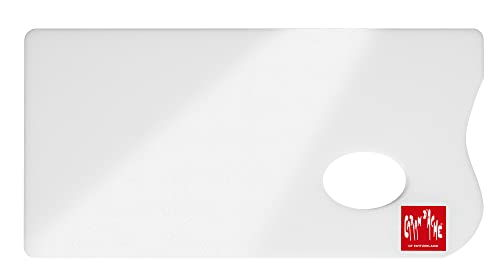
- Includes rough and smooth sides
- Lightweight rectangular acrylic design
- Cleans easily with water
Best For: Artists preferring a versatile flat mixing surface
Best Airtight Travel Palette
Mr. Pen 18-Well Watercolor Palette

- Eighteen wells organize many colors
- Two large areas for mixing
- Lid helps preserve moist paint
Best For: Travel, classroom, and plein air watercolor painting
Best Two-Pack Oval Palette
U.S. Art Supply Clear Acrylic Palettes

- Two palettes with 17 wells each
- Non-porous surface suits varied media
- Thumb holes work for either hand
Best For: Classrooms, studios, and artists needing generous mixing space
Best Stay-Wet Palette

- Keeps paint wet between sessions
- 23 wells plus spacious mixing areas
- Works with acrylics, oils, watercolors, and more
Best For: Mixed-media artists who need organized, portable paint storage
Best Compact Plastic Palette
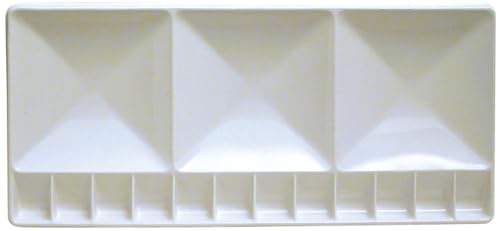
- 12 slant wells for separate colors
- Three large mixing sections
- Durable, stain-proof styrene construction
Best For: Traveling artists, students, and organized color mixing
Best Wooden Handheld Palette

- Large 15.7 x 11.8-inch mixing surface
- Ergonomic thumb hole for handheld use
- Oil-finished basswood with smooth surface
Best For: Oil and acrylic painters who prefer a traditional wooden palette
Fine-Control Watercolor Palette
Removable 24-Compartment Watercolor Palette

- 24 compartments with removable pieces
- Includes small and large wells
- Built for organized watercolor work
Best For: Watercolor artists managing many colors
Clear Mixing Pair
Transparent Acrylic Palettes with Thumb Hole

- Two 11.8-by-7.9-inch palettes
- Includes rectangular and oval shapes
- Reusable, smooth acrylic surfaces
Best For: Portable open-surface paint mixing
Expanded Mixing Surface
20-Well Large Square Watercolor Palette

- 20 wells in three shapes and sizes
- Large 13-by-10-inch layout
- Lightweight, washable, reusable design
Best For: Multi-color painting and classroom use
Best Ceramic Mixing Tray – MEEDEN 8-Well Palette
For artists seeking artist palettes for detailed work, the MEEDEN ceramic tray offers eight wells and a smooth white surface for controlled color mixing. Its compact, hand-sized format works across watercolor, gouache, acrylic, oil, and tempera.
Best For: Artists, students, and teachers who want a durable ceramic palette with separate wells for organizing colors.
Pros:
- Eight wells provide dedicated spaces for different colors or mixtures.
- Smooth porcelain surface allows paint to spread evenly and cleans with water and tissue.
- Suitable for watercolor, gouache, acrylic, oil, and tempera.
- Compact 7-by-7-inch design is lightweight and easy to handle.
Cons:
- Ceramic construction weighs more than comparable plastic palettes.
- The square tray does not include a lid for storing wet paint.
This is a practical choice when surface feel, easy cleanup, and organized mixing matter more than portability or paint storage.
Best Plexiglas Work Surface – Caran d'Ache Aquarelle Palette
The Caran d’Ache Aquarelle palette is a convenient option among artist palettes for detailed work, especially when you want a clean, flat surface for mixing and applying water-soluble products. Its rectangular acrylic design includes both rough and smooth sides.
Best For: Artists who need a lightweight, easy-clean mixing surface for watercolor, gouache, acrylic, or oil painting.
Pros:
- White Plexiglas surface provides a clear background for judging color mixtures.
- One rough side and one smooth side offer different working surfaces.
- Compact 10.25-by-5.12-inch format is convenient to carry and use.
- Cleans easily with water and resists alcohol, acetone, UV rays, and scrubbing.
Cons:
- Its flat design does not provide individual wells for separating colors.
- No lid or paint-preservation feature is listed.
This palette suits detail-oriented painters who prefer a versatile, low-profile surface and do not need built-in wells or storage.
Best Airtight Travel Palette – Mr. Pen 18-Well Watercolor Palette
For artist palettes for detailed work that need to travel, the Mr. Pen palette combines 18 wells with two large mixing areas and an airtight lid. The folding plastic format helps keep water-based paints organized and moist between sessions.
Best For: Watercolor artists, students, and plein air painters who need organized color storage for class, travel, or studio use.
Pros:
- Eighteen wells accommodate a broad selection of colors.
- Two large mixing areas support blending and color testing.
- Airtight lid with a silicone seal helps keep paints fresh and moist.
- Foldable, lightweight design is suited to travel and plein air painting.
Cons:
- It is not completely watertight at the hinge and should not be carried with water inside.
- Plastic construction may feel less substantial than ceramic.
This is a strong organizational pick for mobile watercolor work, provided you treat the case as a paint palette rather than a water container.
Best Two-Pack Oval Palette – U.S. Art Supply Clear Acrylic Palettes
The U.S. Art Supply two-pack is a useful option among artist palettes for detailed work when you want multiple mixing trays and plenty of wells. Each clear oval palette has 17 wells, a non-porous surface, and an ergonomic thumb hole for either hand.
Best For: Artists, classrooms, and painting groups using watercolor, gouache, acrylic, or oil paints.
Pros:
- Two palettes provide a spare or allow simultaneous use with different media.
- Seventeen wells on each palette support organized color separation.
- Non-porous surface does not absorb oils and supports varied paint types.
- Curved thumb hole and smooth edges accommodate left- and right-handed users.
Cons:
- Large 13.5-by-10-inch palettes take more space than compact trays.
- Hand washing is required.
- Clear plastic may make some color mixtures less immediately visible than on a white surface.
This set offers strong flexibility for shared studios, classrooms, or artists who want a generous well layout and a backup palette.
Best Stay-Wet Palette – Air-Tight Mixed Media Palette
For artist palettes for detailed work, the Soho Urban Artist Air Tight Mixed Media Color Palette is a practical choice when you need organized wells and paint that stays usable between sessions. Its two-part design provides 23 color wells plus dedicated mixing areas, while the closed format remains suitable for travel.
Best For: Artists who work across acrylics, oils, watercolors, or alcohol inks and want an air-tight, portable palette with separate wells and mixing space.
Pros:
- Air-tight design helps keep paints wet between sessions.
- Includes 23 raised, slanted wells and multiple 5 x 9-inch mixing areas.
- Solvent-resistant plastic works with several paint types and is freezer safe.
- Compact closed dimensions make it travel friendly.
Cons:
- Its multi-part design may be more than needed for simple color mixing.
- Oil paint cleanup requires solvents rather than simply peeling off dried paint.
This is the most versatile option of the three for artists who need paint organization, moisture retention, and compatibility with multiple mediums. The generous mixing surfaces also leave room for both small and large brushes.
Best Compact Plastic Palette – Eldajon Artist Palette
For artist palettes for detailed work, the Art Alternatives Eldajon Palette offers a compact layout for separating colors and mixing small batches. Its 12 slant wells and three large mixing sections fit in most art boxes, making it convenient for mobile painting.
Best For: Artists who want a lightweight, reusable plastic palette for travel, classes, and organized color mixing.
Pros:
- Provides 12 small slant wells for holding individual colors.
- Three large mixing sections accommodate blended colors.
- High-impact, stain-proof styrene construction is durable and reusable.
- Compact 5-1/2 x 12-inch format is easy to pack.
Cons:
- Does not offer an air-tight or stay-wet design.
- Hand washing with mild soap is recommended, so cleanup may require more care.
The Eldajon is a straightforward option when portability and color separation matter more than extended paint storage. Its balance of wells and mixing sections suits detailed, controlled work without taking up much space.
Best Wooden Handheld Palette – MEEDEN Oval Paint Palette
For artist palettes for detailed work, the MEEDEN Wood Paint Palette provides a broad, smooth surface for mixing colors by hand. Its oil-finished basswood construction, rounded edges, and large thumb hole are designed for comfortable handling during oil or acrylic painting.
Best For: Painters who prefer a traditional handheld wooden palette with ample mixing room and an ergonomic thumb hole.
Pros:
- Large 15.7 x 11.8-inch surface provides room for multiple color mixtures.
- Large thumb hole supports a comfortable handheld grip.
- Smooth, oil-finished basswood surface helps pigments mix easily.
- Lightweight design weighs about 0.59 pound and is easy to carry.
Cons:
- Offers a flat mixing surface rather than individual color wells.
- Cleaning is recommended with a brush or cloth after use, requiring prompt maintenance.
- The large oval shape may be less convenient for compact storage than a smaller palette.
This palette is a strong fit for artists who value natural materials and freedom to mix larger amounts of color. The ergonomic thumb hole makes it especially appealing for extended handheld painting sessions.
Fine-Control Watercolor Palette – Removable 24-Compartment Watercolor Palette
For artist palettes for detailed work, the HOLBEIN 210191 emphasizes organized color separation. Its 24-compartment format includes removable small pieces plus larger dishes, giving watercolor painters flexible options for arranging colors and mixing space.
Best For: Watercolor artists who want removable wells and a structured palette for detailed color work.
Pros:
- Includes 24 compartments with 26 small pieces and 4 large pieces.
- Removable components allow a more flexible setup.
- Compact 10.63-by-5.31-inch listed item footprint for storage and transport.
Cons:
- Designed specifically for watercolor rather than a broad range of media.
- No warranty is provided.
Choose this palette if keeping many watercolor colors separated is more important than having one uninterrupted mixing surface. The removable layout is particularly useful when you want to customize your setup for detail-focused painting.
Clear Mixing Pair – Transparent Acrylic Palettes with Thumb Hole
For artist palettes for detailed work, this Tamaki two-pack offers two transparent acrylic surfaces in different shapes. The smooth, clear palettes are intended for mixing acrylic, gouache, watercolor, and other pigments while remaining portable for classes, studios, or outdoor painting.
Best For: Artists who want a reusable rectangular-and-oval palette set for portable mixing.
Pros:
- Includes one rectangular and one oval 11.8-by-7.9-inch palette.
- Transparent acrylic construction provides a clear mixing surface.
- Smooth, reusable surfaces are designed for hand washing and easy cleaning.
- Portable format fits in a backpack or purse.
Cons:
- Hand-wash only; harsh chemicals and high heat should be avoided.
- Clear surfaces do not provide built-in wells for separating colors.
This set makes sense when you prefer open mixing areas and want shape options rather than individual paint wells. The two-piece format also gives you a spare or a second surface for separating color groups.
Expanded Mixing Surface – 20-Well Large Square Watercolor Palette
For artist palettes for detailed work, this 13-by-10-inch white palette combines multiple wells with a generous overall surface. Its 20 compartments include squares and circles in different sizes, supporting separated colors alongside dedicated mixing space for acrylic, watercolor, and other painting projects.
Best For: Artists, students, and instructors who need many wells and a large, lightweight mixing area.
Pros:
- Provides 20 wells: 8 squares, 4 large circles, and 8 small circles.
- Large 13-by-10-inch surface offers substantial mixing space.
- Lightweight at 5.6 ounces and easy to hold or place on a table.
- Washable, reusable plastic construction is designed for quick cleanup.
Cons:
- The large footprint may take more room in a compact art kit.
- Only one palette is included.
- Its white surface may show staining over repeated use.
Select this model when capacity and work area matter more than minimizing the palette’s size. The varied well shapes are useful for organizing multiple colors, while the broad layout leaves room for mixing.
How We Picked the Best Artist Palettes for Detailed Work
We evaluated these palettes by the factors that matter most for precise painting: the number and shape of wells, the size of the mixing surface, paint visibility, portability, cleaning requirements, and compatibility with common media. Airtight lids received special consideration for artists who need to preserve wet watercolor or gouache between sessions. We also included open trays, flat palettes, and thumb-hole designs because detailed work does not always require the same workflow.
Product dimensions and layout can affect control as much as the palette material. Narrow wells may help separate concentrated colors, while larger mixing areas are more useful for testing gradients and subtle value changes.
Quick Comparison
| Palette type | Best suited to | Main advantage |
|---|---|---|
| Ceramic or porcelain-style tray | Watercolor and gouache | Easy-to-read mixing surface and simple cleanup |
| Airtight multiwell palette | Watercolor, gouache, and travel painting | Helps keep prepared paint usable between sessions |
| Clear acrylic palette | Acrylic and color matching | Lets you view paint placement and underlying colors |
| Wooden or thumb-hole palette | Traditional acrylic or oil workflows | Comfortable hand positioning and broad mixing space |
| Large plastic mixing tray | Classroom, studio, and mixed-media use | High capacity at a generally accessible price |
Key Buying Factors for Artist Palettes for Detailed Work
Well Size and Arrangement
Choose smaller wells when you work with many colors in limited quantities. Deeper or covered wells are useful for watercolor and gouache, while shallow sections can make acrylic mixes easier to access. A layout with separated wells reduces accidental color contamination.
Mixing Surface
Detailed work benefits from a smooth, light-colored surface that makes subtle hue and value changes visible. Look for enough room to dilute paint, test blends, and compare mixtures without placing colors too close together.
Material and Cleanup
Ceramic is stable and easy to clean but can be heavier and more breakable. Plastic is lightweight and practical for travel, though dried paint may require more scrubbing. Wood offers a familiar traditional feel, but it generally needs more careful maintenance and may be less convenient for water-based media.
Cover and Portability
An airtight lid is valuable if you pause between painting sessions or carry premixed colors. For a permanent studio setup, an open palette may provide faster access and more room. Check the closure, footprint, and weight before choosing a travel model.
Who Should Buy Which Artist Palettes for Detailed Work?
Watercolor artists should prioritize palettes with multiple wells, a light mixing surface, and—when paint preservation matters—an airtight lid. The MEEDEN ceramic tray and covered multiwell designs are practical directions for controlled color mixing.
Acrylic painters may prefer a clear acrylic, plastic, or broad flat palette that provides quick access to larger mixtures. Thumb-hole and wooden options are better for artists who like to hold the palette while working, while larger trays suit studio sessions and color-heavy projects.
Choose a compact covered palette for travel, workshops, or small detail studies. For teaching, shared studio use, or artists who mix several colors at once, a larger tray with many compartments offers more working capacity. Ultimately, the best palette is the one whose wells, surface, and cleanup routine match the medium and level of precision you use most often.