Weaving gives students a practical way to practice fine-motor control, sequencing, pattern recognition, and creative decision-making. The best loom kits for classrooms make those skills accessible while keeping setup, supervision, and cleanup manageable.
This roundup compares 10 options for different classroom needs, including bulk activities, durable reusable tools, guided beginner projects, and larger looms for collaborative work.
Best 10 Loom Kits for Classrooms Picks for 2026
Best Classroom Set
Colorations 12-Piece Wooden Looms

- 12 wooden looms for group activities
- Includes history, instructions, and project ideas
- Supports creative and fine-motor learning
Best For: Classroom groups and beginner weaving lessons
Best High-Count Value

- Includes 24 mini weaving looms
- Sized for small projects
- Uses 1/8-inch chipboard construction
Best For: Large groups and compact classroom projects
Best Large Wooden Pack

- Includes 36 wooden looms
- 6 x 9-inch beginner-friendly size
- Notched ends help position thread
Best For: Large classes and recurring craft programs
Best Beginner Cardboard Design
Aemygo 30-Pack Wide-Notch Looms

- 30 lightweight cardboard looms
- Wide notches support easier thread placement
- Large boards for varied craft projects
Best For: Beginner lessons and portable classroom activities
Top Pick
Melissa & Doug Multi-Craft Loom

- Extra-large adjustable wooden frame
- Includes yarn, needle, and tapestry kits
- Made for ages 6 and up
Best For: Guided projects and individual student use
Best Bulk Value
24-Pack Cardboard Weaving Looms

- Includes 24 lightweight loom boards
- Compact 6.5 by 13-inch format
- Notched ends aid thread placement
Best For: Large classes and shared craft stations
Best Multi-Size Set

- 12 wooden looms with needles and tools
- Two sizes for varied weaving projects
- Smooth, sturdy wood construction
Best For: Small groups and mixed-size projects
Best Complete Kit
Beginner-Friendly Wooden Weaving Loom

- Complete loom, tool, yarn, and instruction set
- Works as a lap loom or table loom
- Designed for children, teens, and adults
Best For: Guided beginner projects using one complete kit per student or group
Best Class Pack
20-Piece Wooden Notched Loom Set
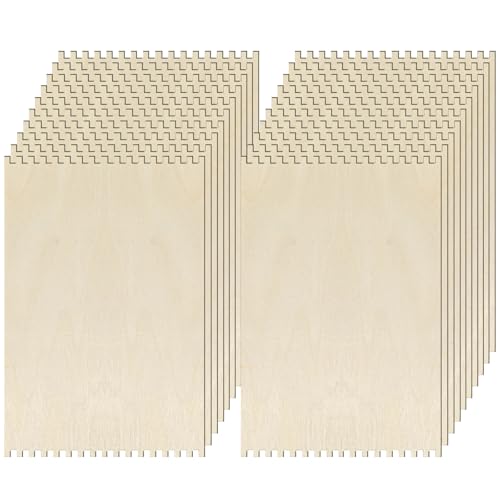
- Provides 20 looms for group activities
- Smooth, durable wooden construction
- Notched ends help position weaving line
Best For: Large classes with shared yarn and teacher-provided instructions
Best for Young Beginners

- Designed for children ages 6–12
- Includes 10 bright yarn colors
- Smooth pine loom and beginner instructions
Best For: Elementary classroom weaving activities and guided first projects
Best Classroom Set – Colorations 12-Piece Wooden Looms
For teachers seeking loom kits for classrooms, this Colorations set provides 12 wooden looms sized for beginner weaving activities. An included guide covers weaving history, basic use, and activity ideas, while weaving materials are purchased separately.
Best For: Classroom groups, after-school programs, homeschooling, and screen-free arts-and-crafts lessons.
Pros:
- Includes 12 wooden looms measuring 6 x 9 inches.
- Activity guide supports introductory instruction and lesson planning.
- Designed to encourage creativity, fine-motor skills, concentration, problem-solving, and basic math skills.
- Listed as non-toxic and safe for children.
Cons:
- Weaving materials are sold separately.
- The thin 1/8-inch loom design may be better suited to beginner projects than heavy-duty use.
Choose this set when you want a ready-to-teach quantity and built-in instructional support. It is especially practical when your classroom already has yarn or other weaving supplies.
Best High-Count Value – INOVART 24-Piece Mini Looms
These INOVART mini looms are a compact option for loom kits for classrooms, with 24 chipboard boards in each package. Their 3-1/2 x 6-inch size is intended for small weaving projects and makes it easier to supply a larger group.
Best For: Large classes, short introductory projects, and teachers who need many small looms.
Pros:
- Provides 24 looms per package.
- Compact 3-1/2 x 6-inch size is designed for small projects.
- Made from 1/8-inch chipboard described as practically indestructible.
- Made in the USA.
Cons:
- Smaller than the 6 x 9-inch wooden options in this roundup.
- No weaving materials or instructional guide are listed.
- No warranty is provided.
This is a strong quantity-focused choice for classroom stations or quick projects. Select it when compact project dimensions matter more than larger working surfaces or included teaching materials.
Best Large Wooden Pack – Minatee 36-Piece Looms
For educators comparing loom kits for classrooms, the Minatee set offers 36 wooden looms measuring about 6 x 9 inches. The quantity supports group use and replacements, while the notched gear-style ends are intended to help position weaving thread.
Best For: Large classes, shared craft programs, home education, and activities that need extra replacement looms.
Pros:
- Includes 36 wooden weaving looms.
- 6 x 9-inch format is suitable for beginners and experienced users.
- Gear-style ends help with thread placement.
- Smooth wood is described as sturdy, reliable, and resistant to bending or deformation.
Cons:
- Weaving yarn and other project materials are not listed as included.
- The product details do not mention an instruction guide.
- The larger pack may exceed the needs of a small class.
This set stands out when quantity is the priority. Its larger pack and standard beginner-friendly size make it useful for recurring lessons, replacement needs, or programs serving multiple groups.
Best Beginner Cardboard Design – Aemygo 30-Pack Wide-Notch Looms
The Aemygo 30-pack is a practical choice among loom kits for classrooms when you want lightweight boards and beginner-friendly thread placement. Each cardboard loom measures about 13 x 6.5 inches and uses widened notches to make starting a project easier.
Best For: Beginner lessons, portable craft activities, and classrooms needing a large supply of lightweight looms.
Pros:
- Includes 30 cardboard weaving looms.
- Widened notches are designed to help beginners place weaving thread.
- Lightweight construction is easy to carry and store.
- 2mm cardboard has smooth surfaces and flat edges according to the product notes.
Cons:
- Made from paper/cardboard rather than wood.
- Weaving materials and an instruction guide are not listed as included.
- The approximately 13-inch length may require more storage space than mini looms.
Consider this pack for introductory weaving stations where easy handling and wide notches are useful. It offers a generous quantity, though teachers should plan storage around its larger board dimensions.
Top Pick – Melissa & Doug Multi-Craft Loom
Melissa & Doug Wooden Multi-Craft Weaving Loom: Extra-Large Frame (22.75 x 16.5 inches)
Check Price On AmazonFor classrooms seeking loom kits for classrooms that combine guided projects with creative freedom, this extra-large wooden Melissa & Doug loom is a well-equipped option. It includes an adjustable frame, oversized needle, 91 yards of rainbow yarn, three picture tapestry kits, and an illustrated design booklet.
Best For: Elementary-age students, teacher-led craft activities, and classrooms wanting a reusable loom with built-in project ideas.
Pros:
- Includes materials and instructions for multiple weaving projects.
- Adjustable wooden frame has easy-grasp knobs for switching projects.
- Supports fine motor skills, hand-eye coordination, concentration, and creative expression.
- Designed for children ages 6 and up.
Cons:
- Only one loom is included, so it may not suit a large class working simultaneously.
- The larger frame may require more classroom storage space than compact looms.
This is the most complete single-student option in the group, especially when you want ready-to-use supplies and structured projects rather than a bare loom frame.
Best Bulk Value – 24-Pack Cardboard Weaving Looms
When shopping for loom kits for classrooms, this 24-pack of notched cardboard looms makes it easy to provide one lightweight weaving board per student. The boards measure 6.5 by 13 inches and are designed for portable DIY weaving activities.
Best For: Large classes, group craft stations, and teachers who need a simple, low-storage loom format for many students.
Pros:
- Pack of 24 supports simultaneous participation in a classroom.
- Lightweight, portable design is easy to distribute and store.
- Thick gray cardboard is described as wear resistant, with smooth, flat edges.
- Notched ends help with thread placement.
Cons:
- Cardboard construction may be less durable than a wooden loom.
- The pack does not list included yarn, needles, or other weaving supplies.
- Students may need additional instruction because no project booklet is noted.
This pack prioritizes quantity and convenience over included materials, making it a practical choice when your classroom already has yarn and weaving tools available.
Best Multi-Size Set – Thyle 12-Set Wooden Loom Kit
This Thyle set is a flexible choice for loom kits for classrooms because it supplies 12 wooden loom sets in two sizes, along with needles and tools. The gear-style sides are intended to make thread placement and weaving easier for beginners.
Best For: Small-group instruction, mixed-age craft activities, and classrooms that want wooden looms in more than one project size.
Pros:
- Includes 12 complete loom sets with needles and tools.
- Two sizes accommodate projects from coasters and bookmarks to wall hangings.
- Sturdy wooden construction has a smooth surface and is designed for repeated use.
- Suitable for beginners as well as more experienced crafters.
Cons:
- With 12 sets, it may not provide one loom per student in a large class.
- The supplied notes do not specify included yarn or project instructions.
- Small components such as needles and tools require organized classroom storage.
Choose this set when durability and size variety matter more than maximum quantity. It is particularly useful for rotating groups through different weaving projects.
Best Complete Kit – Beginner-Friendly Wooden Weaving Loom
For classrooms seeking loom kits for classrooms that are ready to use, this Lily & Oak set includes the loom, tools, yarn, printed instructions, and video tutorials. Its adjustable design works as either a lap loom or table loom, giving students flexible ways to weave.
Best For: Beginner classroom projects with children, teens, or adults where a complete, guided kit is useful.
Pros:
- Includes a wooden loom, support legs, shuttle, heddle bar, comb, needle, yarn, and instructions.
- Printed directions, video tutorials, and a first project support new weavers.
- Adjustable lap- or table-loom configuration suits different classroom setups.
- Smooth beech wood construction is designed for stability and durability.
Cons:
- Only one loom is included, so a full class would need multiple kits.
- The included size is relatively compact for larger weaving projects.
This is the strongest all-in-one choice when students need both materials and instruction in one package. Plan on purchasing several units for simultaneous classroom use.
Best Class Pack – 20-Piece Wooden Notched Loom Set
When outfitting a group, quantity matters, and this 20-piece set offers a straightforward option among loom kits for classrooms. The notched wooden looms are sized for beginner activities and can also suit parties, extracurricular sessions, and family education.
Best For: Group activities where each student needs a basic loom and the instructor will provide or select the yarn and additional tools.
Pros:
- Includes 20 wooden looms for broad classroom coverage.
- Sturdy, smooth wood is designed to resist breaking, bending, or deforming.
- Notched ends help hold weaving line in place.
- Suitable for classroom, extracurricular, and educational activities.
Cons:
- The package contains looms only, without yarn, needles, or instructions listed.
- The smaller format may limit larger weaving projects.
- Teachers may need to prepare materials and demonstrations separately.
This is the practical budget-style pick for equipping many students at once. Its value is in the 20-loom quantity, but it works best when the classroom already has shared craft supplies and lesson guidance.
Best for Young Beginners – Kids' Wooden Loom Kit
For younger learners, this children’s kit is a focused choice among loom kits for classrooms. It is designed for ages 6–12 and includes a 9-by-11-inch wooden loom, detailed instructions, and 10 bright yarn colors so students can begin without sourcing extra yarn.
Best For: Elementary-age classroom activities that emphasize hands-on practice, concentration, creativity, and easy-to-follow instruction.
Pros:
- Designed for children ages 6–12 and beginners.
- Includes a polished pine loom with a smooth, burr-free surface.
- Comes with 10 bright yarn colors and an instruction manual.
- Compact size is easy to carry for school activities or gatherings.
Cons:
- Only one loom is included per package.
- The compact 9-by-11-inch format is better suited to smaller projects.
- The supplied notes do not list additional weaving tools beyond the loom, yarn, and instructions.
This kit combines age-appropriate sizing with colorful materials and beginner guidance. It is a good fit for a younger class, provided the teacher orders enough individual kits for the group.
How We Picked the Best Loom Kits for Classrooms
We focused on the factors that matter most in a group learning environment: quantity per package, age-appropriate design, material durability, ease of use, included tools, project flexibility, and storage practicality. Cardboard looms can be economical for one-time or take-home projects, while wooden models are generally better suited to repeated use.
We also considered whether a kit supports independent work or requires substantial teacher demonstration. Notched edges, clear spacing, blunt needles, combs, yarn, and instructions can make a meaningful difference when several students need help at once.
Quick Comparison
| Classroom need | Best fit | Why |
|---|---|---|
| Large group activity | 24- or 30-piece cardboard packs | Provides more individual looms at a lower per-student cost. |
| Repeated annual use | Wooden multi-piece sets | More rigid and reusable when stored carefully. |
| Teacher-led demonstration | Extra-large frame loom | Offers better visibility for shared instruction or group work. |
| Beginner stations | Complete kits with yarn and tools | Reduces the need to assemble separate supplies. |
| Compact storage | Mini cardboard or small wooden looms | Uses less shelf space and works well for rotating centers. |
Key Buying Factors for Loom Kits for Classrooms
Quantity and Cost Per Student
Count the number of active students, then allow for replacements and absent-student make-up work. Multi-packs are usually the practical choice for whole-class lessons, but a smaller durable set may be better for an art center used by a few students at a time.
Size and Project Scope
Small looms suit short weaving exercises and younger beginners. Larger frames allow more color changes and detailed patterns but take longer to complete and need more workspace. Check finished dimensions against desks, trays, and storage bins.
Material and Durability
Cardboard is lightweight and inexpensive, but notched edges may wear after repeated tensioning. Wood is more stable for recurring lessons, provided the edges are smooth and the pieces are stored without bending or warping.
Included Accessories
Look for yarn, needles, beaters or combs, and instructions when minimizing preparation time is important. Verify that needles are suitable for the students’ age and that any small accessories can be managed safely.
Classroom Management
Choose designs that are easy to thread, label, and collect. A simple project guide, color-coded supply bins, and individual work trays can reduce tangles and lost tools.
Who Should Buy Which Loom Kits for Classrooms?
Choose a bulk cardboard pack for a one-day workshop, introductory unit, or classroom where every student needs a loom at once. Pick a wooden multi-pack for teachers planning recurring weaving lessons or centers across several school years. A complete beginner kit is convenient when students need a self-contained activity with minimal preparation, while an extra-large loom is the better teaching aid for demonstrations and collaborative artwork.
For younger children, prioritize larger openings, sturdy construction, blunt tools, and straightforward patterns. Older students can benefit from larger frames, more substantial warp spacing, and kits that leave room for experimenting with texture and design. Whichever option you choose, confirm age guidance, inspect materials before use, and match the project length to available class time.