Choosing the right sewing machine for leather crafts can make the difference between a frustrating project and a clean, durable finish. Leather demands more torque, better control, and the right needle-and-thread setup than standard fabric sewing.
Below, we focus on practical options for makers, repair work, and small workshop use, from heavy-duty sewing machines to hand-operated cobblers and compact stitching tools.
Best 10 Sewing Machine for Leather Crafts Picks for 2026
Best Budget Light-Duty Machine
Weaver Leathercraft 303 Leather Sewing Machine
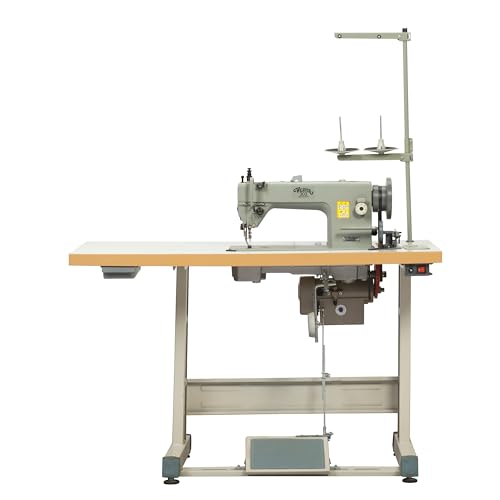
- Precise light-duty lockstitch for leather, nylon, and textiles
- Speed reducer and knee lift help with controlled sewing
- Includes oil bath, light, needles, bobbins, and thread
Best For: Beginners and small leather projects like bags and accessories
Best Portable Hand-Stitching Tool
OWDEN Professional Leather Speedy Stitch Tool

- Manual awl tool for leather, cloth, and canvas
- Includes 2 needles, 3 thread colors, and wrench
- Good for bags, wallets, shoes, and saddle repairs
Best For: Portable repairs and hand control on small leather jobs
Best Manual Shoe Repair Pick
Leather Cobbler Machine for Shoe Repair
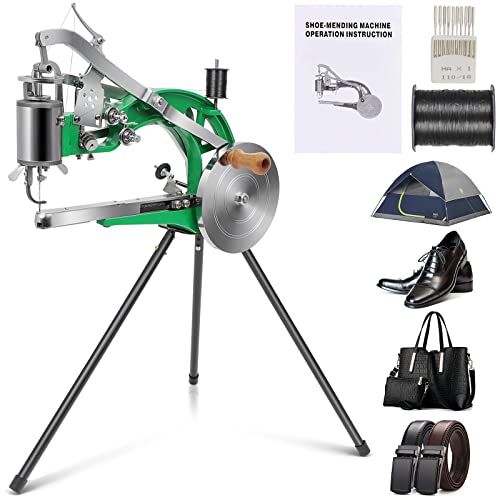
- Manual drive gives precise control over stitching
- Compact aluminum alloy build for home use
- Works with nylon or cotton thread on shoes and bags
Best For: Shoe repair and controlled stitching on leather items
Compact Handheld Mender
Hand Held Sewing Machine for Leather Craft Repair

- Compact 2.4 oz handheld design
- Made for leather, canvas, shoes, belts, and tents
- Good for quick DIY mending tasks
Best For: Quick portable leather and canvas repairs
Manual Cobbler Stand
Leather Sewing Machine for Shoe Repairs

- Manual drive for precise control
- 360° rotating foot and needle
- Works with nylon and cotton thread
Best For: Hand-powered shoe and leather repair work
Versatile Shoe Repair Stand
Leather Sewing Machine for Thick Materials
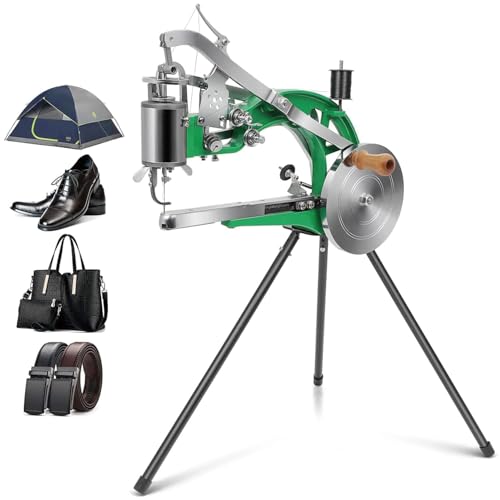
- Supports thick sewing jobs and multiple materials
- Detachable stand for board or table mounting
- 360° rotating foot and needle
Best For: Flexible manual repairs on thick leather and shoes
Compact Foot-Operated Patcher
Compact Leather Shoe Repair Machine

- Works with nylon and cotton thread
- Adjustable up to about 6mm width
- Foot rotates for directional stitching
Best For: DIY shoe repair and small leather mending
Heavy-Duty Floor Stand
Professional Manual Leather Stitcher

- Heavy-duty metal body with wear-resistant coating
- Free-standing tripod stand included
- Comes with 10 needles and nylon thread
Best For: Shoe repair shops and leather workshops
360° Rotating Hand Cobbler
Versatile Leather Repair Machine

- Supports nylon and cotton line
- 360-degree rotating foot and needle
- Easy to assemble in a few minutes
Best For: Precise manual stitching on boots and leather repairs
Best Budget Light-Duty Machine – Weaver Leathercraft 303 Leather Sewing Machine
If you want a sewing machine for leather crafts that focuses on precision instead of industrial capacity, the Weaver Leathercraft 303 is a practical light-duty option. It handles leather, nylon, and textile projects, and its speed reducer helps you sew slowly and accurately when detail matters.
Best For: Beginners, detail work, and small leather projects like bags and personal accessories.
Pros:
- Light-duty lockstitch design with precise stitching on leather, nylon, and textile projects
- Speed reducer helps control stitching speed for beginners and detail-focused work
- Convenient oil bath system reduces the need to track many oiling points
- Includes knee lift, reverse stitch, light, thread, needles, bobbins, and nippers
Cons:
- Sews up to 1/4" thickness, so it is not built for heavy leather stacks
- 110-115V compatibility only, which limits outlet options
- Light-duty build may be less suited to demanding, frequent industrial use
This is a solid pick if you need controlled stitching and a friendlier setup for smaller leathercraft tasks. It offers useful accessories and speed control without pretending to be a heavy production machine.
Best Portable Hand-Stitching Tool – OWDEN Professional Leather Speedy Stitch Tool
For leatherworkers who need a compact sewing machine for leather crafts alternative, the OWDEN Professional Leather Speedy Stitch Tool is a hand-operated awl set built for repairs and smaller projects. It works with leather, cloth, and canvas, giving you a manual way to stitch bags, wallets, shoes, saddles, and more.
Best For: Portable repairs, hand stitching, and craft users who want manual control.
Pros:
- Durable aluminum alloy construction with an ebony handle
- Includes 2 needles, 3 thread colors, and a wrench in a sturdy box
- Works on leather, cloth, and canvas for versatile repair tasks
- Manual design gives you direct control over stitching
Cons:
- Requires hand stitching, so it is not a powered machine
- Thread spools are small, with about 10 meters per color
- Better suited to repairs and smaller jobs than high-volume sewing
This is a smart choice if portability and control matter more than speed. It is especially useful for quick fixes and smaller leathercraft work where a full machine would be overkill.
Best Heavy-Duty Versatile Pick – SINGER 4452 High Speed Heavy Duty Sewing Machine
If you need a sewing machine for leather crafts that can handle thicker material, the SINGER 4452 is built with extra piercing power and a strong motor. It is designed for multiple layers and heavy fabrics, and the included accessories make it easier to move from basic stitching to more demanding projects.
Best For: Thicker leather projects, layered materials, and users who want a versatile home machine.
Pros:
- Stronger motor provides more power for sewing multiple layers and thicker fabrics
- 32 built-in stitches and 110 stitch applications add versatility
- Includes walking foot, non-stick foot, heavy-duty needles, and other useful accessories
- Full metal frame and top drop-in bobbin support stability and easier setup
Cons:
- Still a general heavy-duty sewing machine, not a dedicated leather-only unit
- Accessory-based setup may take some learning for new users
- Better suited to home and hobby use than specialized industrial work
This is a versatile option when you want more power and flexibility than a light-duty machine can offer. It is a strong fit for thicker leather projects as long as you are comfortable using a general-purpose heavy-duty model.
Best Manual Shoe Repair Pick – Leather Cobbler Machine for Shoe Repair
When you need a sewing machine for leather crafts focused on shoe repair, this manual cobbler stitching machine is built for hands-on control. Its aluminum alloy construction, compact footprint, and manual drive make it useful for stitching shoes, bags, and other leather goods where you want to control each pass.
Best For: Shoe repair, cobbler work, and manual stitching on leather and fabric items.
Pros:
- Manual drive lets you control strength, accuracy, and stopping points
- Compact aluminum alloy build is durable and easy to move
- Works with nylon or cotton thread on leather shoes, bags, cloth, and more
- Designed for home use with simple assembly and lubrication guidance
Cons:
- Manual operation is slower than powered sewing machines
- Assembly and setup are required before use
- Best suited to repair work rather than general sewing variety
This machine makes the most sense if your main goal is repairing shoes and similar leather items. It is less about speed and more about controlled, reliable stitching on small repair jobs.
Compact Handheld Mender – Hand Held Sewing Machine for Leather Craft Repair
If you want a sewing machine for leather crafts that handles quick fixes more than heavy workshop production, this handheld tool is built for simple mending jobs. It’s aimed at DIY stitching on leather, canvas, shoes, belts, tents, bags, and even car interiors, making it a practical pick for fast repair work.
Best For: Quick DIY leather and canvas repairs where portability matters.
Pros:
- Very compact and lightweight for easy handling and storage.
- Designed for sewing and mending leather, canvas bags, shoes, belts, and more.
- Works as a hand sewing tool for small stitching and repair tasks.
Cons:
- Not aimed at larger, floor-standing sewing jobs.
- Best suited to light mending rather than high-volume craft production.
Overall, this is a straightforward repair tool for makers who need a portable option for small leather craft fixes. If your projects are mostly touch-ups and emergency stitching, it fits that role well.
Manual Cobbler Stand – Leather Sewing Machine for Shoe Repairs
For buyers looking for a sewing machine for leather crafts with a more traditional cobbler setup, this manual machine is built around controlled hand-powered stitching. It’s designed for repairing leather shoes, high heels, boots, bags, tents, coats, and other everyday items, with a 360-degree rotating foot and needle to help with circular sewing.
Best For: Home users, cobblers, and small shops needing manual shoe and leather repair.
Pros:
- Manual drive gives you direct control over speed and stitching.
- 360° rotation helps sew around tall boots and curved sections.
- Made from aluminum alloy for a compact, durable build.
- Compatible with nylon and cotton thread for multiple repair uses.
Cons:
- Requires self-assembly and setup before use.
- Manual operation may be slower than powered alternatives.
This model makes sense if you want a hands-on repair station for leather shoes and related craft work. Its strength is control and versatility rather than automation, so it suits careful repair tasks well.
Versatile Shoe Repair Stand – Leather Sewing Machine for Thick Materials
If you need a sewing machine for leather crafts that can handle thick materials and a wider range of repairs, this cobbler-style machine is built for that kind of work. It supports leather shoes, rubber shoes, sports shoes, raincoats, leather bags, pants, and canvas tents, and it’s designed with a detachable stand for flexible placement.
Best For: Users who want a flexible manual machine for thicker leather and shoe repair projects.
Pros:
- Handles high sewing thickness and works with nylon or cotton thread.
- 360° rotating foot and needle support easier sewing around curved areas.
- Detachable stand allows mounting on a board, table, or other surface.
- Compact aluminum alloy build is intended to be sturdy and durable.
Cons:
- Assembly is required before it can be used.
- Needs oiling on moving parts for smoother operation and longer life.
Compared with a simple handheld mender, this machine is better suited to more substantial repair tasks. It’s a strong choice if you want a manual leather-and-shoe setup that can be positioned to match your workspace.
Compact Foot-Operated Patcher – Compact Leather Shoe Repair Machine
If you want a sewing machine for leather crafts that focuses on shoe repair and mending, this manual cobbler machine is built for hands-on control. It works with nylon and cotton thread, handles leather shoes, bags, raincoats, and other thick materials, and the rotating foot makes directional stitching easier once it is set up.
Best For: DIY users and cobblers who need a compact hand-powered machine for repairing shoes and leather items.
Pros:
- Supports nylon and cotton thread for a range of materials
- Adjustable needle distance with a maximum width of about 6mm
- Foot can turn for stitching in different directions
- Simple assembly and reliable sewing after setup
Cons:
- Manual operation means more effort than powered machines
- Best suited to repair and mending tasks rather than large projects
This is a practical pick if your priority is a straightforward repair tool for shoes and leather goods. Its compact manual design and directional stitching features make it useful for focused cobbler work.
Heavy-Duty Floor Stand – Professional Manual Leather Stitcher
For buyers comparing a sewing machine for leather crafts that can handle thick material and bigger repair jobs, this BEAMNOVA model is built around manual heavy-duty stitching. It is suitable for leather goods, shoes, boots, bags, and other dense materials, and the free-standing tripod design gives you placement flexibility without needing a workbench.
Best For: Shoe repair shops, leather workshops, and DIY users who want a floor-standing hand-powered machine.
Pros:
- Heavy-duty metal body with upgraded wear-resistant coating
- Free-standing tripod stand, so no workbench installation is required
- Open arm design helps reach narrow or curved areas
- Includes 10 needles and a nylon thread coil for immediate use
Cons:
- Hand-powered operation requires manual control for every stitch
- Larger floor-standing setup takes more space than compact units
This model stands out for users who want a sturdy, ready-to-place machine for repair-focused leather work. The included accessories and open-arm layout make it a strong fit for practical cobbler tasks.
360° Rotating Hand Cobbler – Versatile Leather Repair Machine
If you need a sewing machine for leather crafts that can manage boots, bags, and thicker repairs, this hand-operated cobbler machine is designed for control and flexibility. It supports nylon and cotton line, handles multiple materials, and the 360-degree rotating foot and needle help when stitching around tall boots or curved sections.
Best For: Users who want precise manual control for leather shoes, boots, and general repair work.
Pros:
- Supports high sewing thickness with nylon and cotton line
- 360-degree rotating foot and needle for circular stitching
- Made from tough iron and aluminum alloy for sturdy use
- Easy to assemble in just a few minutes
Cons:
- Requires manual effort and control throughout use
- Needs a little lubricant oil before working
This machine is a solid choice when your leather projects demand more maneuverability than a basic repair tool. Its rotating mechanism and wide material support make it especially useful for curved, hard-to-reach stitching.
How We Picked the Best Sewing Machine for Leather Crafts
We prioritized machines that can handle leather thickness more reliably than basic home sewing models. That means checking stitch consistency, material compatibility, power delivery, build quality, ease of setup, and how well each option fits common leatherworking tasks like bags, straps, shoes, and simple repairs.
Quick Comparison
Broadly, the list splits into three categories: full-size powered machines for repetitive stitching, manual cobbler machines for shoe and repair work, and handheld tools for light fixes and portability. If you want production speed and cleaner long runs, a powered machine is usually the better choice. If you mainly repair footwear or small leather goods, a manual or handheld option may be more practical.
Key Buying Factors for a Sewing Machine for Leather Crafts
Material Thickness and Feed Power
Leather resists the needle more than cloth, so look for strong piercing power and stable feeding. Machines built for heavier materials are less likely to stall, skip stitches, or leave uneven seams.
Stitch Control and Thread Compatibility
For visible seams, consistent stitch length matters. Also confirm that the machine can handle the thread size you plan to use, especially if you work with bonded nylon or thicker decorative thread.
Project Type
A Sewing Machine for Leather Crafts should match your workload. Bags, wallets, belts, and accessories often benefit from a powered machine, while shoe repair and patching can be easier with a cobbler-style manual machine.
Setup, Space, and Learning Curve
Some leather machines arrive as complete workstation packages, while others are compact or manual. Consider how much space you have, whether you need a stand or motor, and how comfortable you are adjusting tension, needles, and presser pressure.
Who Should Buy Which Sewing Machine for Leather Crafts?
Choose a heavy-duty powered machine if you want faster stitching, better control over longer seams, and more flexibility for making leather goods. Choose a cobbler or manual machine if your focus is shoe repair, localized mending, or occasional use without a full workshop setup. Choose a handheld tool if portability and quick fixes matter most, but keep expectations realistic for thicker hides and frequent use.
In short, the best option depends on your materials, workload, and workspace. Match the machine to the kind of leather projects you actually make, and you’ll get better results with less trial and error.