Picking one of the best webcams for low light can make a huge difference if you work in a dim home office, stream at night, or join calls without perfect lighting.
We focused on models that handle shadows well, keep faces visible, and stay usable when your room is only partially lit.
Best 10 Webcams for Low Light Picks for 2026
Editor’s Pick
Anker PowerConf C200 2K Webcam
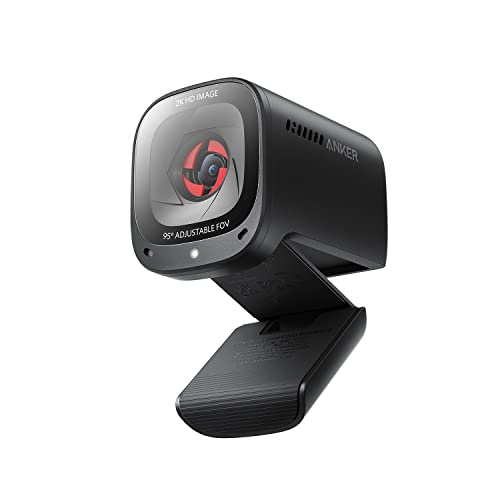
- 2K resolution with low-light correction
- AI noise-canceling dual microphones
- Adjustable framing with privacy cover
Best For: Remote work and casual streaming in dim rooms
Night Vision Specialist

- 10 IR LEDs for day-and-night visibility
- 170-degree fisheye lens for wide coverage
- Works with Windows, Linux, Mac, and Raspberry Pi
Best For: Night monitoring and surveillance-style low-light capture
Lighting Boost

- Built-in ring light with three color temperatures
- 4K/30FPS or 1080P/60FPS video
- TOF autofocus and dual noise-canceling mics
Best For: Brighter video calls and streaming in dim rooms
Surveillance Pick
- IR-CUT filter with automatic IR LEDs
- 1080P with multiple high-frame-rate modes
- Plug-and-play for Windows, Linux, Mac, and Android
Best For: Automatic day/night monitoring in changing light
Entry-Level Low-Light Value
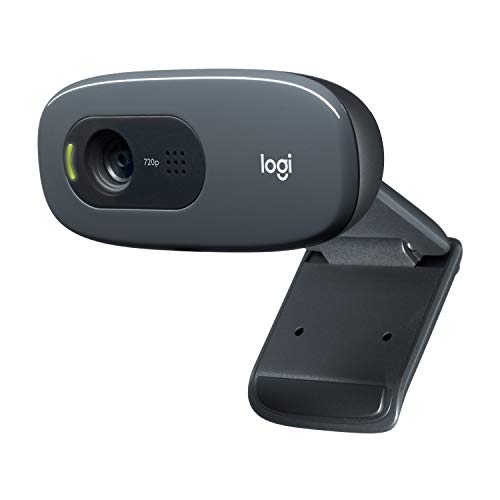
- RightLight 2 improves image brightness and contrast in dim rooms.
- 720p/30 fps keeps basic calls simple and reliable.
- Noise-reducing mic and universal clip add everyday convenience.
Best For: Budget-minded buyers who need a simple webcam for low-light video calls.
Night-Vision Pick
Arducam 1080P USB Day & Night Webcam

- 6pcs 850nm IR LEDs support visibility in low-light scenarios.
- Automatic IR-cut switching adapts from day to night use.
- 105° F1.6 lens helps maximize light intake and frame coverage.
Best For: People who need a webcam for very dim spaces or night-vision-style use.
Balanced Low-Light Performer

- Automatic light correction helps in dim rooms and low light.
- 1080p/30 fps gives sharper video than 720p webcams.
- Noise-reducing mic and privacy cover add practical value.
Best For: Users who want an affordable 1080p webcam with basic low-light support.
Low-Light Pick
ELP 960P Wide-Angle Low-Light USB Camera

- 0.01lux low-light performance
- 2.1mm wide-angle lens, 93° view
- UVC plug-and-play for many systems
Best For: Dim-room monitoring and Raspberry Pi-style setups
Most Extreme Low-Light Option
ELP Ultra-Low-Light 1080P HDR Wide-Angle Camera

- 0.0001lux low-light capture
- 1080P 30fps with HDR 100dB
- 100-degree wide-angle USB camera
Best For: Very dark monitoring and technical vision projects
Editor’s Pick – Anker PowerConf C200 2K Webcam
If you want webcams for low light that still feel polished for meetings and streaming, the Anker PowerConf C200 is built around low-light correction and a 2K image. It also adds AI noise cancellation, dual mics, and adjustable framing, so it works well as a straightforward upgrade for a home office or laptop setup.
Best For: Remote workers, streamers, and anyone who wants a cleaner image in dim rooms without adding extra lights.
Pros:
- 2K resolution for sharper video in calls and content
- Low-light correction helps in dim rooms
- Dual mics with AI noise cancellation for clearer voice pickup
- Adjustable viewing angles via software: 65°, 78°, or 95°
Cons:
- Only a webcam, so it does not add built-in lighting
- Best fit for standard conferencing rather than specialty use
Overall, this is a practical pick if your priority is a dependable webcam that handles darker spaces well while still delivering a more detailed 2K picture. The privacy cover and broad compatibility make it easy to live with day to day.
Night Vision Specialist – ELP 1080P IR USB Camera
Among webcams for low light, this ELP model stands out because it is designed for night vision rather than just basic dim-room correction. Its IR LEDs, wide-angle fisheye lens, and fixed-focus USB design make it better suited to monitoring-style use where seeing in darkness matters more than a flattering video-call look.
Best For: Night monitoring, surveillance-style setups, and projects that need infrared capture in very dark conditions.
Pros:
- 10 IR LEDs for day-and-night viewing
- Wide 170-degree fisheye lens covers a large area
- 1080P support with high frame-rate options at lower resolutions
- Plug-and-play compatibility with Windows, Linux, Mac, and Raspberry Pi
Cons:
- Fisheye lens is not ideal for natural-looking face framing
- Fixed focus is less flexible than autofocus webcams
This is a specialized low-light camera, not a typical meeting webcam. If your main goal is visibility in darkness and wide coverage, the IR design and broad platform support make it a strong fit.
Lighting Boost – 4K Webcam with Ring Light
If you want webcams for low light and prefer to solve the problem at the source, this Galyimage webcam adds its own ring light. The built-in fill light, 4K support, autofocus, and dual noise-canceling mics make it a strong all-in-one option for video calls, classes, and streaming when your room lighting is inconsistent.
Best For: Users who want a webcam with built-in lighting for brighter, more even video in dim rooms.
Pros:
- Built-in ring light with three color temperature settings
- Brightness is adjustable for low-light conditions
- 4K at 30FPS or 1080P at 60FPS
- TOF autofocus and dual noise-canceling microphones
Cons:
- Built-in light may be more than some users want for simple calls
- More feature-heavy than a basic plug-in webcam
This model is best when you want more control over how you look in dim rooms, not just software-based correction. The integrated light and autofocus give it a more complete low-light toolkit than a standard webcam.
Surveillance Pick – ELP Day/Night IR Webcam
This ELP model is another strong choice if you need webcams for low light, especially where day/night performance matters more than traditional webcam styling. It uses an IR-CUT filter plus IR LEDs for automatic switching between visible-light daytime use and infrared night viewing, and it is built as a compact USB camera for monitoring and small-space setups.
Best For: Day/night monitoring, compact surveillance setups, and users who need automatic low-light IR switching.
Pros:
- IR-CUT filter and IR LEDs support day and night use
- 1080P sensor with multiple lower-resolution and high-frame-rate modes
- UVC plug-and-play compatibility with Windows, Linux, Mac, and Android
- Compact design with a 3-meter USB cable
Cons:
- Built for monitoring more than flattering video chats
- Fixed-lens design may feel less flexible for general office use
For buyers focused on visibility in darkness, this camera is geared toward practical monitoring rather than typical conferencing. Its automatic IR behavior and broad compatibility make it easy to deploy where light levels change throughout the day.
Entry-Level Low-Light Value – Logitech C270 720p Webcam
If you want webcams for low light without spending much, the Logitech C270 is a straightforward pick for everyday calls. Its RightLight 2 auto light correction is designed to brighten and add contrast in dim conditions, while the built-in noise-reducing mic helps your voice stay clear during meetings.
Best For: Budget buyers who need a simple webcam for video calls in dim rooms.
Pros:
- RightLight 2 helps improve brightness and contrast in poor lighting.
- 720p video at 30 fps is fine for basic conferencing.
- Noise-reducing mic supports clearer voice pickup up to 1.5 meters.
- Universal clip makes it easy to mount on laptops or monitors.
Cons:
- 720p is less detailed than Full HD options.
- 55° field of view is fairly narrow for wider shots.
- Best suited to calls, not more advanced creator or streaming use.
Overall, the C270 focuses on practical essentials: decent low-light correction, easy setup, and a compact mount. It is a good fit if you mainly need dependable video calling and want a low-cost webcam that still handles dim indoor lighting better than a basic no-name option.
Night-Vision Pick – Arducam 1080P USB Day & Night Webcam
For webcams for low light where visibility really matters, the Arducam 1080P USB Camera is built around day-and-night imaging. It uses a photoresistor, 6pcs 850nm IR LEDs, and automatic IR-cut switching to keep video usable when ambient light drops, while the 105° wide-angle F1.6 lens helps pull in more light.
Best For: Users who need a webcam that can keep working in very dim or dark environments.
Pros:
- 850nm IR LEDs and photoresistor support low-light and night vision use.
- Automatic IR-cut switching adapts as lighting changes.
- 105° wide-angle lens with F1.6 aperture helps maximize light intake.
- 1080p at 30 fps offers sharper detail than entry-level webcams.
Cons:
- Its design is more specialized than a typical general-purpose webcam.
- Best-known uses include security, surveillance, and dashcam-style applications.
- USB camera form factor may be more than some casual callers need.
This is the most specialized low-light option in the group, especially if you need visibility after dark rather than just mild dim-room correction. If your priority is all-day image capture with IR support, this Arducam stands out as the strongest technical fit.
Balanced Low-Light Performer – Shcngqio 1080P Webcam
If you want webcams for low light with a more balanced feature set, this Shcngqio 1080P model covers the basics well. It pairs Full HD 1080p video with automatic light correction, so it is meant to keep the image usable in dim rooms while still delivering a sharper picture than 720p alternatives.
Best For: People who want a simple 1080p webcam with low-light correction for calls and streaming.
Pros:
- Automatic light correction is designed to help in extremely low light and dim rooms.
- 1080p video at 30 fps delivers Full HD clarity.
- Noise-reducing microphone helps voices stay clear in noisy environments.
- Privacy cover adds a useful security touch when the camera is not in use.
Cons:
- Fixed focus may be less flexible than autofocus models.
- Its low-light help is software-based rather than IR night vision.
- USB plug-and-play convenience comes without extra advanced tuning features.
For most buyers, this is the middle-ground choice: better video detail than a budget 720p webcam, plus automatic light correction to improve dim-room performance. If you need a practical everyday camera for meetings, teaching, or casual streaming, it offers a solid mix of clarity and convenience.
Low-Light Pick – ELP 960P Wide-Angle Low-Light USB Camera
If you need webcams for low light that are built for dim rooms, this ELP USB camera is worth a look. It uses a 0.01lux low-illumination design, a wide 2.1mm lens, and a 960P sensor to deliver a usable image when lighting is far from ideal.
Best For: Low-light monitoring, Raspberry Pi projects, and basic PC camera setups where a compact wide-angle view matters.
Pros:
- 0.01lux low-light rating is aimed at dim environments
- 2.1mm wide-angle lens with a 93-degree viewing angle
- 960P / 1.3MP image quality with 30fps at 720p
- Plug-and-play UVC support for Windows, Mac, Linux, Android, and Raspberry Pi
Cons:
- Manual image tuning may be needed for brightness and exposure
- Fixed-focus design limits flexibility for close-up framing
- Best suited to practical video use rather than polished desktop conferencing
This model stands out if your main priority is keeping the image visible in low light without adding extra setup complexity. It is especially practical for monitoring, embedded use, and other situations where a small, wide-angle USB camera is more useful than a mainstream webcam.
Budget Video Call Pick – Anivia 720P Low-Light Webcam with Noise-Reducing Mic
Among webcams for low light, this Anivia model focuses on keeping your image stable in darker or high-contrast rooms. It pairs low-light correction with manual focus and a built-in noise-reducing microphone, making it a simple option for everyday video calls.
Best For: Video calls, casual streaming, and PC users who want low-light correction plus cleaner audio in one webcam.
Pros:
- Low-light correction is designed to help in dim or high-contrast scenes
- Built-in omnidirectional stereo microphones with noise reduction
- Manual focus can help maintain a sharper image after setup
- Driver-free USB installation with broad support for common apps
Cons:
- 720P resolution is basic compared with higher-end webcams
- Manual focus requires more setup than autofocus models
- Compatibility is listed for Windows 7 and newer, so older systems are less suitable
This is a practical pick if you want a straightforward webcam that handles low light better than a bare-bones budget model. The combination of correction features and built-in audio makes it a sensible all-in-one choice for everyday computer use.
Most Extreme Low-Light Option – ELP Ultra-Low-Light 1080P HDR Wide-Angle Camera
If your search for webcams for low light is really about getting usable video in very dark spaces, this ELP camera is built for that job. It combines an extremely low 0.0001lux claim, HDR 100dB, and a wide-angle 1080P sensor to capture more detail when normal webcams start to struggle.
Best For: Low-light security, machine vision, and advanced PC or Raspberry Pi projects that need a strong wide-angle image.
Pros:
- 0.0001lux minimum illumination rating targets very dark environments
- 1080P at 30fps with H.264 and MJPEG support
- HDR 100dB and 100-degree wide-angle lens for better scene coverage
- UVC plug-and-play support for Windows, Linux, Android, Mac, and Raspberry Pi
Cons:
- More specialized than a typical webcam for general desk use
- Fixed-focus design may not suit every close-range setup
- Its strengths are geared more toward technical and monitoring applications than casual chatting
For very dark environments, this is the most capable option in the group on paper. It makes the most sense if you want a compact USB camera for surveillance-style use, embedded projects, or other scenarios where low-light performance matters more than convenience extras.
How We Picked the Best Webcams for Low Light
We prioritized Webcams for Low Light that offer practical image improvements such as larger sensors, low-light correction, infrared or night-vision support, better dynamic range, and usable microphones. We also considered resolution, frame rate, plug-and-play setup, and whether the camera suits casual calls, content creation, or specialized monitoring use.
Quick Comparison
If you want the simplest upgrade for everyday video calls, look for automatic low-light correction and a wide enough field of view to avoid feeling cramped. For creators and power users, 1080p or 2K models usually provide a better balance of clarity and processing than basic 720p units. If your space is very dark, infrared-enabled options can be more effective than standard webcams.
Key Buying Factors for Webcams for Low Light
Image Processing
Look for features like auto exposure, noise reduction, HDR, and low-light correction. These help preserve facial detail and reduce grain when lighting is uneven.
Sensor and Lens Quality
Better sensors and brighter lenses generally capture more usable light. In very dim rooms, this matters as much as resolution.
Resolution and Frame Rate
1080p is the most practical baseline for most buyers. Higher resolutions can help with detail, but only if the webcam also handles dim scenes well.
Specialized Night Vision
Some Webcams for Low Light use IR illumination or night-vision design. These are a better fit for near-dark environments, but they may produce a different look than a standard color camera.
Audio and Privacy
A decent microphone can reduce the need for a headset, and a privacy cover is a useful extra for everyday remote work.
Who Should Buy Which Webcams for Low Light?
Choose a standard low-light webcam if you mainly take meetings in a dim room and want a natural-looking image. Pick a 2K or 4K model if you also stream, record content, or want extra headroom for cropping. If your environment is extremely dark, an infrared or day-night camera is usually the more reliable choice. Budget buyers can still get solid results from basic webcams with low-light correction, especially when paired with even a small desk lamp.
In short, the best Webcams for Low Light are the ones that match your room, your lighting habits, and how much realism or visibility you need on camera.