If you want to preserve old negatives, slides, or home movies, a good film scanner can make the process much faster and far more convenient than outsourcing every batch.
In this roundup, we focus on models that balance image quality, file output, and ease of use so you can choose the right scanner for family archives, casual digitizing, or more serious restoration work.
Best 10 Film Scanner Picks for 2026
Fast All-in-One Legacy Scanner
Magnasonic FS71 24MP Film Scanner

- Supports 35mm, 110, 126, and Super 8 film
- 24MP scans save directly to SD card
- 5" LCD and HDMI viewing without a computer
Best For: people who want a simple standalone scanner for mixed legacy formats
Easy Tray-Feed Converter

- Handles 135mm, 110mm, and 126mm formats
- Saves directly to SD/SDHC cards
- One-touch editing keeps digitizing simple
Best For: users who want an easy scanner for common slides and negatives
Pro Calibration Film Scanner
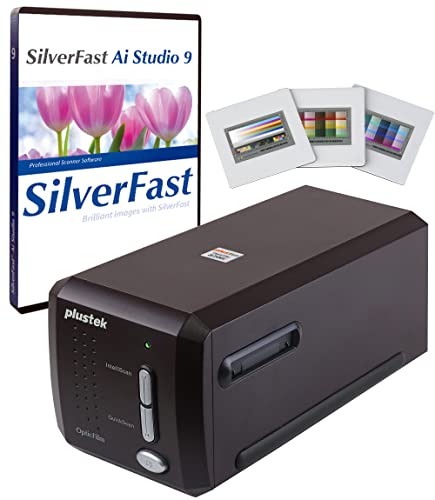
- 7200 resolution with 16-bit color depth
- Includes SilverFast 9 Ai Studio and Quick Scan Plus
- IT8 target helps with color calibration
Best For: advanced users scanning 35mm film who want pro-level software and calibration
Compact LCD Archive Scanner
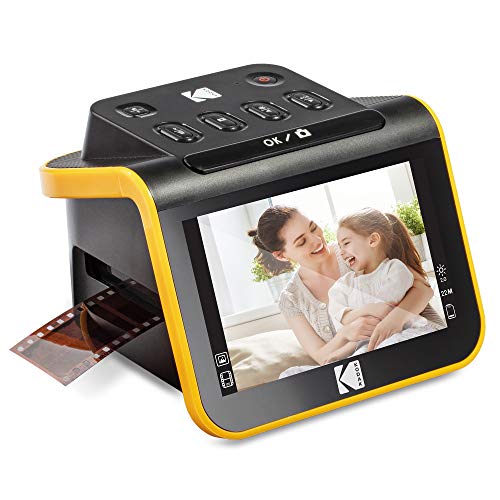
- Supports 135, 110, and 126mm negatives and slides
- 5" LCD helps preview and edit on device
- Includes trays, adapters, brush, USB, and HDMI cables
Best For: home users digitizing common slides and negatives with minimal hassle
Easy Touchscreen Film Scanning
HP Film & Slide Scanner HPFS500
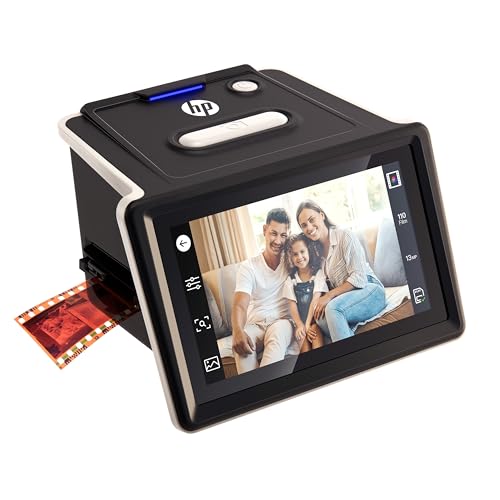
- 5-inch touchscreen for preview and basic editing
- Supports 135, 126, and 110 film and slides
- USB-C powered with SD card saving
Best For: home users digitizing common film formats with minimal setup
All-in-One Memory Digitizer
22MP Film & Slide Scanner with 5" LCD

- Supports 35mm, 110, 126, slides, and Super 8
- One-touch scanning with preview on a 5-inch LCD
- HDMI and USB output for TV or computer transfer
Best For: families digitizing mixed film collections with simple controls
High-Resolution Archival Scanning

- 7200 dpi scanning for 35mm negatives and slides
- Infrared channel helps detect dust and scratches
- Includes QuickScan and SilverFast SE Plus 9
Best For: archival 35mm scanning with higher detail and cleanup tools
Premium Multi-Format Pick
KODAK SCANZA 35mm & Super 8 Digitizer
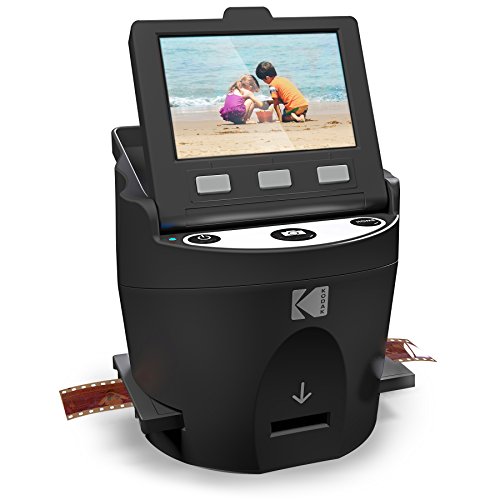
- Handles 35mm, 126, 110, Super 8, and 8mm
- 3.5-inch LCD with adjustable brightness and tilt
- Includes multiple adapters plus USB, HDMI, and power cables
Best For: People digitizing mixed legacy film formats at home
Simple Standalone Option

- 2.4-inch LCD preview with on-device editing
- No PC required; saves to SD card
- Supports 35mm negatives and slides with batch scanning
Best For: Beginners who want a simple 35mm scanning workflow
Compact All-in-One Pick
KODAK Mini 35mm Slide Digitizer

- Scans 135, 126, 110, Super 8, and monochrome film
- 2.4-inch LCD with simple scan and home buttons
- Includes adapters, cleaning wand, and TV/USB cables
Best For: Households wanting a compact multi-format film scanner
Fast All-in-One Legacy Scanner – Magnasonic FS71 24MP Film Scanner
If you want a film scanner that makes digitizing old negatives and slides simple, the Magnasonic FS71 is built for fast, computer-free use. It supports 35mm, 110, 126, and Super 8 film plus 135/126/110 slides, and it saves directly to SD card so you can start preserving memories right away.
Best For: Families and hobbyists who want a straightforward, standalone scanner for mixed old film and slide formats.
Pros:
- Scans multiple formats, including 35mm, 110, 126, and Super 8 film
- 24MP output with direct SD card saving for convenient archiving
- 5″ LCD screen plus HDMI output for on-device or TV/monitor viewing
- No computer needed; brightness, RGB, flip, and mirror controls are built in
Cons:
- SD card is not included
- HDMI cable is not included
- Minimum system requirement lists Windows 7 if you do connect to a computer
Overall, the FS71 is a practical film scanner for anyone who values speed and simplicity over advanced editing. Its biggest strength is the all-in-one workflow, which helps you scan and save old images in seconds without extra software.
Easy Tray-Feed Converter – KODAK Slide N Scan Max
The KODAK Slide N Scan Max is a film scanner designed for quick, low-fuss digitizing of slides and negatives. Its smooth-moving tray helps keep the workflow moving, and the unit saves directly to SD cards so you can archive old photos without relying on a computer.
Best For: Users who want a convenient scanner for common film formats and simple one-touch operation.
Pros:
- Supports 135mm, 110mm, and 126mm slides and negatives
- Direct SD/SDHC saving keeps the process self-contained
- 13MP CMOS sensor with up to 4208×3120 output resolution
- One-touch editing simplifies resizing, converting, and adjusting images
Cons:
- SD/SDHC cards support up to 32GB only
- USB connection is listed, but no stand-alone display is mentioned in the notes
- Resolution is sensor-based 13MP with 22MP interpolation rather than true high-end scanning specs
This is a sensible film scanner for anyone prioritizing ease of use and broad compatibility with common consumer formats. It looks especially useful for straightforward family archive projects where speed matters more than deep manual control.
Pro Calibration Film Scanner – Plustek OpticFilm 8300i Ai
If your priority is image quality and control, this film scanner is aimed at more demanding 35mm work. The Plustek OpticFilm 8300i Ai includes SilverFast 9 Ai Studio, Quick Scan Plus, and an IT8 calibration target, giving you tools for color calibration and more advanced film processing.
Best For: Enthusiasts and advanced users who want higher-resolution 35mm scanning with bundled professional software.
Pros:
- 7200 resolution and 16-bit color depth for detailed scanning
- Includes SilverFast 9 Ai Studio and Plustek Quick Scan Plus
- Bundled IT8 calibration target supports color calibration
- Advanced features like iSRD, HDRi, 16-bit Histogram, Multi-Exposure, and NegaFix
Cons:
- Designed for 35mm slides/film, so it is less versatile than all-in-one scanners
- Requires USB connection and computer-based workflow
- Premium feature set may be more than casual users need
This model stands out when scan quality and software tools matter more than convenience. For serious 35mm archiving, its calibration bundle and advanced processing features make it a strong specialist choice.
Compact LCD Archive Scanner – KODAK Slide N Scan 22MP
The KODAK Slide N Scan 22MP is a practical film scanner for turning old slides and negatives into digital files with minimal setup. Its 5-inch LCD, direct SD saving, and included film holders make it a convenient choice for home archiving and quick previews.
Best For: Home users who want a compact scanner for slides and negatives with an easy on-device workflow.
Pros:
- Works with 135, 110, and 126mm negatives plus 50mm slides
- 5″ LCD display makes previewing and editing easy
- Direct SD card saving avoids a computer-first workflow
- Includes slide holders, adapters, cleaning brush, USB, and HDMI cables
Cons:
- SD or SDHC cards are not included
- Supports cards up to 32GB only
- Built for common consumer film formats, not broader specialty formats like Super 8
As a film scanner for everyday family photo recovery, this KODAK model keeps the process accessible and tidy. The mix of a built-in screen, easy-load trays, and direct saving should appeal to buyers who want convenience first.
Easy Touchscreen Film Scanning – HP Film & Slide Scanner HPFS500
If you want a film scanner that keeps the workflow simple, the HPFS500 is built around quick loading, on-device previewing, and direct saving to SD card. It supports 135, 126, and 110 film negatives and positive slides, making it a practical choice for digitizing mixed family archives without needing a computer for every step.
Best For: Home users who want an easy touchscreen film scanner for common slide and negative formats.
Pros:
- 5-inch all-angle LCD touchscreen lets you preview and edit scans on the device.
- 13MP CMOS sensor with 22MP interpolation for capturing color and black-and-white film.
- Quick-load tray supports 135, 126, and 110 negatives and slides.
- USB-C powered and can save directly to an SD card.
Cons:
- Only listed for Windows 10+ and macOS 10.15+ if you want computer use.
- Best suited to common consumer film formats rather than specialty media.
Overall, this HP film scanner is aimed at convenience first, with enough format support and on-device controls to make batch digitizing less intimidating. It is a strong fit if you value ease of use over advanced scanning controls.
All-in-One Memory Digitizer – 22MP Film & Slide Scanner with 5" LCD
This film scanner is designed for quick conversion of old film, slides, and negatives into digital files with very little setup. It supports 35mm/135, 110, 126, 50mm slides, and Super 8 film, and the built-in LCD makes it easy to preview, scan, and share without leaning on a computer.
Best For: Families and casual users who want a versatile film scanner with simple one-touch operation.
Pros:
- Supports a wide range of media, including 35mm/135, 110, 126, 50mm slides, and Super 8 film.
- 5-inch LCD provides instant preview and can double as a digital picture frame.
- One-touch scanning with built-in adjustments for color, brightness, and date/time.
- Includes HDMI and Type-C USB output for TV viewing or PC transfer.
Cons:
- Built-in memory is only 128MB, so SD card storage is the practical route for larger jobs.
- External SD card is not included.
For buyers who want a broad-format film scanner that stays easy to operate, this model covers a lot of old media with minimal fuss. The accessory kit and included cables also make it ready to use right out of the box.
High-Resolution Archival Scanning – Plustek OpticFilm 8200i SE
If image quality is the priority, this film scanner is built more like an archival tool than a casual viewer. The OpticFilm 8200i SE is made for 35mm negatives and mounted slides, with 7200 dpi resolution, 48-bit input, and integrated infrared dust and scratch detection for cleaner results.
Best For: Users who want high-resolution 35mm film scanning with more advanced image cleanup.
Pros:
- 7200 x 7200 dpi output for detailed 35mm film and mounted slides.
- Integrated infrared channel helps detect dust and scratches for defect removal.
- 48-bit input with 24/48-bit output and up to 3.6 dynamic range.
- Includes Plustek QuickScan and SilverFast SE Plus 9 software bundle.
Cons:
- Limited to 35mm negative film and mounted slides.
- Requires a computer and driver/software setup rather than standalone scanning.
This Plustek model makes the most sense for buyers who care about scan quality and cleanup tools more than convenience features. If your archive is mostly 35mm, it offers a more serious path to detailed digitization.
Premium Multi-Format Pick – KODAK SCANZA 35mm & Super 8 Digitizer
If you want a film scanner that handles several classic formats without much setup, the KODAK SCANZA is built for that job. It converts 35mm, 126, 110, Super 8, and 8mm negatives and slides into JPEG files, and the built-in 3.5-inch LCD plus one-touch controls make the workflow straightforward.
Best For: Users who need a versatile, standalone film scanner for multiple legacy film formats and easy on-device operation.
Pros:
- Supports 35mm, 126, 110, Super 8, and 8mm negatives and slides
- 3.5-inch TFT LCD with adjustable brightness and tilt
- One-touch scan and save controls with included trays and adapters
- Comes with USB, HDMI, AC adapter, video cable, and cleaning brush
Cons:
- SD card is not included, though it supports up to 128GB
- Not designed for film formats outside the supported list
- Maximum usefulness depends on having the right inserts and setup
This is a practical choice if your archive includes several older film types and you want a dedicated scanner rather than a computer-dependent workflow. It leans more toward convenience and compatibility than compactness, but that tradeoff makes sense for bulk home digitizing.
Simple Standalone Option – DigitConvert 35mm LCD Scanner
The DigitConvert film scanner is aimed at simple, no-computer-needed digitizing of 35mm negatives and slides. Its 2.4-inch LCD gives you instant preview and basic image adjustment, while one-click capture saves JPEG files directly to an SD card.
Best For: Beginners, seniors, or anyone who wants a portable 35mm and slide scanner with a very simple standalone workflow.
Pros:
- Built-in 2.4-inch LCD for preview and on-device adjustments
- Works without a computer or software installation
- One-click capture saves directly to SD card
- Includes easy-load adapters for 35mm negatives and slides
Cons:
- Supports only 35mm and 135 film formats
- SD card is not included
- 5MP resolution is lower than some competing scanners
For basic home archiving, this scanner keeps the process approachable and portable. It is not the most format-flexible option, but it offers a clean path for converting 35mm memories into shareable digital files.
Compact All-in-One Pick – KODAK Mini 35mm Slide Digitizer
If you want a compact film scanner that still covers several common vintage formats, the KODAK Mini is worth a look. It scans, views, edits, converts, and saves 135, 126, 110, Super 8, and monochrome negatives and slides, with a 2.4-inch LCD for navigation and preview.
Best For: Home users who want a small all-in-one scanner for common old film formats and easy sharing.
Pros:
- Supports 135, 126, 110, Super 8, and monochrome negatives and slides
- 2.4-inch color LCD with dedicated scan and home buttons
- Can improve quality up to 14/22MP with adjustable brightness, color, and reverse/flip
- Includes adapters, cleaning wand, USB cable, TV cable, and international power adapter
Cons:
- SD card capacity is limited to 32GB
- Internal memory is only 128MB
- Requires Windows 7 minimum system support for computer-related use
This model is a strong fit if you want broad format support in a smaller body and value easy menu navigation. It is especially appealing for households that want a simple scanner for preserving and sharing older images without a complicated setup.
How We Picked the Best Film Scanners
We looked for models that handle common formats reliably, produce usable digital files without a steep learning curve, and offer a sensible mix of features for different budgets. That means balancing resolution, supported film types, display quality, dust and scratch handling, and whether the scanner is better suited to quick home use or higher-end archiving.
Quick Comparison
Some Film Scanner models are designed for simplicity, with built-in screens and one-touch conversion. Others prioritize optical performance, color accuracy, and post-processing flexibility. If speed matters most, a standalone unit with an LCD can be ideal. If you want the best possible image quality from 35mm originals, a dedicated scanner with higher-resolution capture and software support is usually the stronger choice.
Key Buying Factors for a Film Scanner
Supported Formats
Check whether the scanner handles 35mm, 126, 110, and larger or specialty formats like Super 8 or 8mm. The more formats it supports, the more family archives you can process with one device.
Resolution and Output Quality
For casual sharing, a midrange resolution may be enough. For prints, cropping, or restoration, look for higher-resolution output and, when possible, true optical performance rather than inflated marketing numbers.
Ease of Use
A built-in LCD, simple feed mechanism, and straightforward controls can save time, especially if you are scanning a large collection. Software-based models may take longer to learn but often give you more control over results.
Dust and Scratch Management
Infrared cleanup and similar correction tools can significantly reduce retouching later. This matters most when you are working through aging negatives or slides in poor condition.
Who Should Buy Which Film Scanner?
Choose a simple standalone Film Scanner if you want quick conversion with minimal setup. Pick a higher-end dedicated 35mm model if image quality and long-term archiving are your priorities. If you are scanning mixed film types and want the broadest compatibility, an all-in-one unit is often the most practical choice. For occasional users, a compact scanner may be plenty; for larger collections, invest in the model that saves the most time and editing work.