Choosing the right external recorder can make a bigger difference than upgrading your camera body. The best options improve monitoring, streamline capture, and give you cleaner files for editing and delivery.
Below, we focus on practical 4K camera external recorders for creators, streamers, and video professionals who want dependable performance without paying for features they won’t use.
Best 10 4K Camera External Recorders Picks for 2026
USB Webcam Capture
VIXLW Cam Link 4K for DSLR and Camcorder
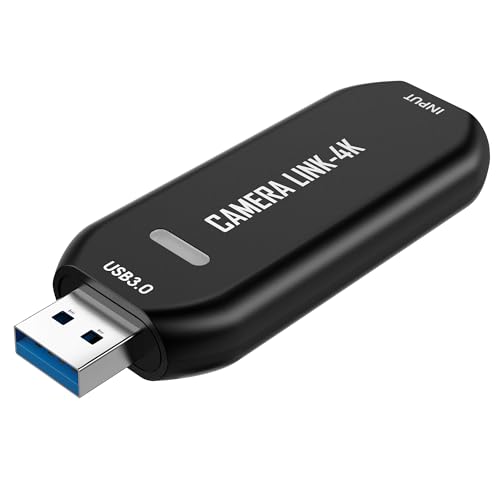
- 4K60 or 1080p120 capture support
- Plug-and-play USB 3.0 connection
- Works with DSLR, camcorder, and action cam HDMI output
Best For: Simple HDMI-to-USB capture for streaming and webcam use
Recording Monitor Bundle

- Records up to 4Kp60 in ProRes, DNxHD, and H.265
- Supports up to 6Kp30 in ProRes RAW
- Bundle includes batteries, chargers, mount, and wipes
Best For: Dedicated external recording workflows with advanced codec support
Portable Music Video Recorder

- 4K recording with 150° wide-angle lens
- X/Y mics rated up to 120dB SPL
- USB streaming to major platforms
Best For: Musicians and creators needing portable video with strong audio
Compact Pro Camcorder
Panasonic CX20 4K with XLR and IP

- 4K camcorder with 24x optical zoom
- XLR inputs and NDI|HX/IP support
- 5-axis hybrid stabilization for steadier footage
Best For: Professional 4K shooting with audio and network streaming needs
Portable HDMI Recorder Monitor
Atomos Ninja 5.2" 4K Monitor Bundle

- Up to 4Kp60 ProRes, DNxHD, and H.265
- Up to 6Kp30 ProRes RAW support
- Includes 240GB SSD and HDMI monitoring
Best For: Compact rigs needing recording and monitoring in one device
Pro Camcorder with Built-In Recording
Canon XF605 4K UHD Pro Camcorder

- 1-inch 4K UHD CMOS sensor
- 4K 59.94P 10-bit XF-AVC and MP4 recording
- 15x optical zoom with 5-axis stabilization
Best For: Professionals who want an all-in-one 4K camcorder
Entry-Level HDMI Field Recorder
Atomos Ninja-2 10-Bit Recorder

- 10-bit 4:2:2 HDMI capture
- Records to ProRes or Avid DNxHD
- Uses HDD or SSD media with touchscreen tools
Best For: Simple HDMI setups needing straightforward external recording
Compact 4K Zoom Camcorder
Sony FDRAX53/B 4K HD Video Recording Camcorder
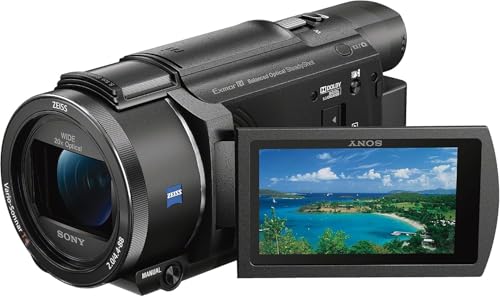
- 20x optical zoom in 4K
- ZEISS lens and manual ring
- Wi-Fi/NFC with HDMI cable included
Best For: Portable 4K shooting with long zoom range and simple manual control.
Pro Live-Ready 4K Camcorder
Panasonic HC-X2 Professional 4K 60p Camcorder
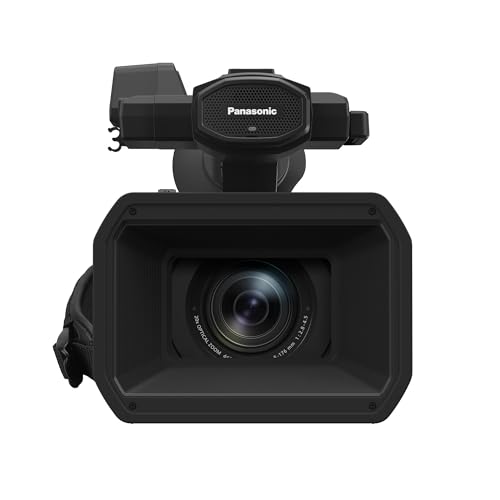
- 1.0-inch sensor with 4K 60p
- Simultaneous SDI/HDMI and Ethernet
- XLR input plus triple manual rings
Best For: Professional events, interviews, and live streaming setups that need strong connectivity.
Musician-Focused 4K Handy Recorder

- X/Y stereo mics for music capture
- HDR helps with stage lighting
- Bundle includes card, batteries, and charger
Best For: Recording performances, rehearsals, and music content in compact spaces.
USB Webcam Capture – VIXLW Cam Link 4K for DSLR and Camcorder
If you want a practical entry point into 4k camera external recorders for streaming or recording, this VIXLW capture card turns an HDMI camera into a USB webcam with very little setup. It supports Windows and macOS, works with DSLR, camcorder, and action cam sources, and is aimed at live calls, OBS use, and precision recording tasks.
Best For: Creators and professionals who want a simple HDMI-to-USB 4K capture solution for webcams, streams, and recording.
Pros:
- Captures up to 4K60 or 1080p120 for detailed video output.
- Plug-and-play design with no drivers or external power required.
- Ultra-low latency is useful for livestreaming, teaching, and video calls.
- Broad compatibility with HDMI devices, including DSLRs, camcorders, and consoles.
Cons:
- It is a capture card, not a standalone recording monitor.
- Best suited to HDMI-output devices rather than camera-native workflows.
Overall, this is the most straightforward option in the group if your goal is to move camera video into a computer for streaming or recording. It prioritizes ease of use and wide device support over advanced on-camera recording features.
Recording Monitor Bundle – Atomos Ninja 5.2" 4K HDMI Kit
For shoppers comparing 4k camera external recorders, this Atomos Ninja bundle is the most feature-heavy recording monitor in the list. It records up to 4Kp60 in ProRes, DNxHD, and H.265, and also supports up to 6Kp30 in ProRes RAW, making it a strong fit for camera-based production workflows.
Best For: Camera users who want a dedicated HDMI recording monitor with advanced codec support and recording control.
Pros:
- Records up to 4Kp60 in Apple ProRes, Avid DNxHD, and H.265.
- Supports up to 6Kp30 in Apple ProRes RAW.
- AtomOS 11 adds improved responsiveness and memory management.
- Includes bundle extras like batteries, chargers, mount, and cleaning wipes.
Cons:
- More complex and specialized than a basic capture card.
- Bundle size and accessories may be more than some users need.
This is the most capable recording-focused option here if you need a monitor plus external recorder workflow. The added accessories make it easier to power and mount right away, which is helpful for location or studio use.
Portable Music Video Recorder – Zoom Q2n-4K for Musicians
If your version of 4k camera external recorders leans toward simple, self-contained capture, the Zoom Q2n-4K is built for musicians and creators who want video and audio in one pocketable unit. It records 4K with a wide-angle lens, has high-SPL X/Y microphones, and can stream directly over USB.
Best For: Musicians, streamers, and creators who want an all-in-one 4K recorder with strong onboard audio.
Pros:
- Captures 4K video with a 150° wide-angle lens and five viewing angles.
- X/Y mics handle up to 120dB SPL for loud performances.
- HDR and 12 scene presets help with different lighting conditions.
- Can stream to YouTube, Twitch, Facebook, and more via USB.
Cons:
- Designed for music and performance capture rather than HDMI camera workflows.
- Not a modular recorder/monitor setup like a dedicated field recorder.
As a self-contained recorder, it stands out for convenience and audio quality more than expandability. It makes the most sense if you value fast setup and strong onboard sound over an external monitor-and-recorder system.
Compact Pro Camcorder – Panasonic CX20 4K with XLR and IP
Panasonic CX20 Professional Compact 4K Camcorder with XLR Inputs & IP Connectivity
Check Price On AmazonAmong 4k camera external recorders and recording-capable cameras, the Panasonic CX20 is a compact professional camcorder built for capture, stabilization, and networked workflows. It offers 4K recording, XLR inputs, 24x optical zoom, and IP streaming/recording with NDI|HX support, so it fits more advanced production needs than a basic consumer camera.
Best For: Professional users who need a compact 4K camcorder with XLR audio inputs and IP streaming support.
Pros:
- 4K capture with a 1/2.5″ MOS sensor and 24x optical zoom.
- 5-axis hybrid stabilization and O.I.S. help steady handheld footage.
- XLR inputs support more professional audio connections.
- IP streaming/recording and NDI|HX support add network workflow options.
Cons:
- Heavier and more camera-like than a lightweight external recorder.
- More advanced than casual users may need.
This is the best fit when you want a compact camcorder that can do serious production work without relying on a separate recorder. The combination of zoom, stabilization, and streaming features makes it especially versatile for event or field use.
Portable HDMI Recorder Monitor – Atomos Ninja 5.2" 4K Monitor Bundle
If you want a practical 4k camera external recorder for a DSLR, cinema, or mirrorless setup, the Atomos Ninja bundle is built around fast HDMI recording, on-camera monitoring, and a lightweight, travel-friendly design. It supports up to 4Kp60 in Apple ProRes and Avid DNxHD, plus up to 6Kp30 in Apple ProRes RAW, while the updated AtomOS 11 aims to make the interface more responsive.
Best For: Shooters who need a compact on-camera recorder-monitor with strong format support and bundled SSD storage.
Pros:
- Records up to 4Kp60 in Apple ProRes, Avid DNxHD, and H.265 (HEVC)
- Supports up to 6Kp30 in Apple ProRes RAW
- Lightweight, tough, and compatible with a huge range of HDMI-output cameras
- Includes 240GB SE4 SSD in the bundle
Cons:
- HDMI-only, so it depends on camera compatibility for input
- Built-in media bundle is 240GB, which may feel limited for longer shoots
- Advanced network features rely on Atomos Connect ecosystem devices
This is a strong fit if you want a recorder that doubles as a monitor and is ready to go with included storage. The Ninja bundle emphasizes portability and broad HDMI support more than standalone complexity, making it a straightforward choice for many hybrid and cinema-style rigs.
Pro Camcorder with Built-In Recording – Canon XF605 4K UHD Pro Camcorder
The Canon XF605 is a self-contained option for buyers comparing 4k camera external recorders versus a camcorder that records directly in-camera. Its 1-inch 4K UHD CMOS sensor, 15x optical zoom lens, 5-axis optical image stabilization, and 4K UHD 59.94P 4:2:2 10-bit recording make it well suited to professional video work without adding extra recording hardware.
Best For: Creators who want a professional 4K camcorder with internal 10-bit recording and strong built-in optics.
Pros:
- 1-inch 4K UHD CMOS sensor for pro-level capture
- 4K UHD 59.94P 4:2:2 10-bit recording in XF-AVC and MP4
- 15x optical 4K UHD zoom lens with 5-axis optical image stabilization
- Includes independent 3-density ND filter
Cons:
- Heavier than a small external recorder setup at 9.8 pounds
- 90-day limited warranty is shorter than some buyers may prefer
- More of an all-in-one camcorder than a dedicated external recording solution
If you prefer fewer accessories and want recording, zoom, and stabilization in one body, the XF605 is a compelling professional camcorder. It makes the most sense for shooters who value built-in capture and lens flexibility over a separate recorder-monitor setup.
Entry-Level HDMI Field Recorder – Atomos Ninja-2 10-Bit Recorder
The Atomos Ninja-2 is an older but focused 4k camera external recorder choice for HDMI-based workflows that need 10-bit 4:2:2 capture. It records in ProRes or Avid DNxHD, stores to HDD or SSD media, and includes a touchscreen plus exposure, focus, and calibration tools for on-set use.
Best For: Shooters looking for a straightforward HDMI field recorder for 10-bit external capture.
Pros:
- 10-bit 4:2:2 video capture over HDMI
- Records in ProRes or Avid DNxHD
- Supports efficient HDD or SSD media
- Touchscreen plus exposure, focus, and calibration tools
Cons:
- Older model with a smaller 800 x 480 touchscreen
- Designed around HDMI, so compatibility depends on your camera
- Less feature-rich than newer Atomos recorders
This recorder fits buyers who want the core benefits of external capture without paying for a newer, more advanced unit. It is best viewed as a practical HDMI recording tool for simple setups where 10-bit capture matters more than modern extras.
Compact 4K Zoom Camcorder – Sony FDRAX53/B 4K HD Video Recording Camcorder
If you want a straightforward 4k camera external recorders setup with strong in-camera versatility, the Sony FDRAX53/B is built around a ZEISS lens, 20x optical zoom in 4K, and a manual ring for hands-on control. It also includes HDMI output in the box, along with Wi-Fi/NFC, making it a practical camcorder for creators who want flexible shooting and easy connectivity.
Best For: Portable 4K shooting with long zoom range and simple manual control.
Pros:
- 20x optical zoom in 4K, plus 30x Clear Image Zoom in 4K
- ZEISS lens and manual ring help with controlled framing
- Wi-Fi/NFC and micro HDMI cable included for connectivity
- 3-inch touch LCD and EVF add useful monitoring options
Cons:
- More compact consumer-style build than a pro cinema camcorder
- U3/V30-or-better media is needed for 4K recording
- Built-in HDMI is micro type, so adapters may be needed in some rigs
This Sony makes sense if you want a familiar handheld camcorder with real optical reach and essential outputs without moving into a heavier production system.
Pro Live-Ready 4K Camcorder – Panasonic HC-X2 Professional 4K 60p Camcorder
For buyers comparing 4k camera external recorders with a more production-focused camcorder, the Panasonic HC-X2 stands out with a 1.0-inch sensor, 4K 60p recording, and simultaneous SDI/HDMI output. It also adds Ethernet, Wi-Fi, XLR input, and a triple manual ring design, so it fits more naturally into event, interview, and live streaming workflows.
Best For: Professional events, interviews, and live streaming setups that need strong connectivity.
Pros:
- 1.0-inch MOS sensor with 4K 60p and 24p support
- Simultaneous SDI/HDMI output plus Ethernet connectivity
- XLR input and triple manual rings support pro workflows
- 5-axis HYBRID O.I.S. and 4K High Precision AF help steady shooting
Cons:
- Heavier and larger than compact handheld camcorders
- More feature-rich than many casual shooters need
- Requires compatible workflow planning for live output and recording
The HC-X2 is the strongest fit here if you need a camcorder that is already designed around live production, wired connectivity, and detailed manual control.
Musician-Focused 4K Handy Recorder – Zoom Q2n-4K Deluxe Bundle
If your priority is a small, simple option among 4k camera external recorders, the Zoom Q2n-4K is aimed squarely at musicians and live performance capture. Its X/Y stereo microphones, HDR handling for stage lighting, and 150° wide-angle lens make it a practical recorder for rehearsals, gigs, and challenging lighting environments.
Best For: Recording performances, rehearsals, and music content in compact spaces.
Pros:
- X/Y stereo microphones are tuned for musical content
- HDR technology helps manage bright stage lighting
- 150° wide-angle lens works well for tight performance spaces
- Bundle includes 64GB card, batteries, charger, and cleaning cloth
Cons:
- More specialized for performance capture than general filmmaking
- Uses a small 2.8-inch screen and simple handheld design
- No image stabilization is listed
This bundle is a smart pick if you want an easy-to-run 4K recorder for music first, especially when audio quality and wide framing matter more than advanced camera controls.
How We Picked the Best 4K Camera External Recorders
We prioritized recording reliability, compatibility, codec support, monitoring tools, media options, portability, and value. For 4K Camera External Recorders, the best choices are the ones that fit your workflow first and your camera second.
We also looked for models that make sense across common use cases, from DSLR and mirrorless rigs to camcorders, live production, and musician-focused recording setups.
Quick Comparison
Some buyers need a simple HDMI capture solution for streaming or conferencing. Others need a field recorder with an onboard monitor, SSD support, and pro I/O. Camcorders with built-in recording are better for run-and-gun shooting, interviews, and event coverage, while compact audio-video recorders suit creators who value speed and simplicity.
Key Buying Factors for 4K Camera External Recorders
Input and Camera Compatibility
Check whether your camera outputs clean HDMI, supports 4K over HDMI, or needs a recorder with more specialized connectivity. If you use a DSLR, mirrorless, or cinema camera, compatibility and signal support matter more than raw specs.
Recording Format and Workflow
Look for recorders that support the file types and bit depth your editing setup can handle. Internal compression can be fine for casual use, but external recording is often chosen for higher-quality files, better post-production flexibility, and longer record times.
Monitoring Tools
A strong display with focus peaking, waveform, zebra, and framing aids can save time on set. If you shoot solo, a recorder that doubles as a monitor is usually more practical than a capture device alone.
Media, Power, and Portability
SSD support, battery life, and mounting options all affect how usable a recorder is in real-world shooting. Portable rigs benefit from lightweight designs, while studio and event setups can prioritize larger displays and longer runtimes.
Who Should Buy Which 4K Camera External Recorders?
If you want the simplest path to live streaming or webcam-style capture, a USB-based HDMI capture device is the easiest fit. If you need on-camera monitoring and higher-end recording, an Atomos-style field recorder is often the better upgrade. If you’re shooting concerts, interviews, or branded content, a pro camcorder with integrated recording may be the most efficient all-in-one choice.
Musicians and solo creators often do best with compact 4K Camera External Recorders that are easy to mount, quick to start, and less complicated to power. For filmmaking, choose the recorder that matches your camera’s output, your preferred media, and how much monitoring control you need on set.